Travel better · 5 min read
Small choices that keep mountain communities thriving
Where a trekking fee actually lands, and the four decisions that change the answer more than any offset scheme.
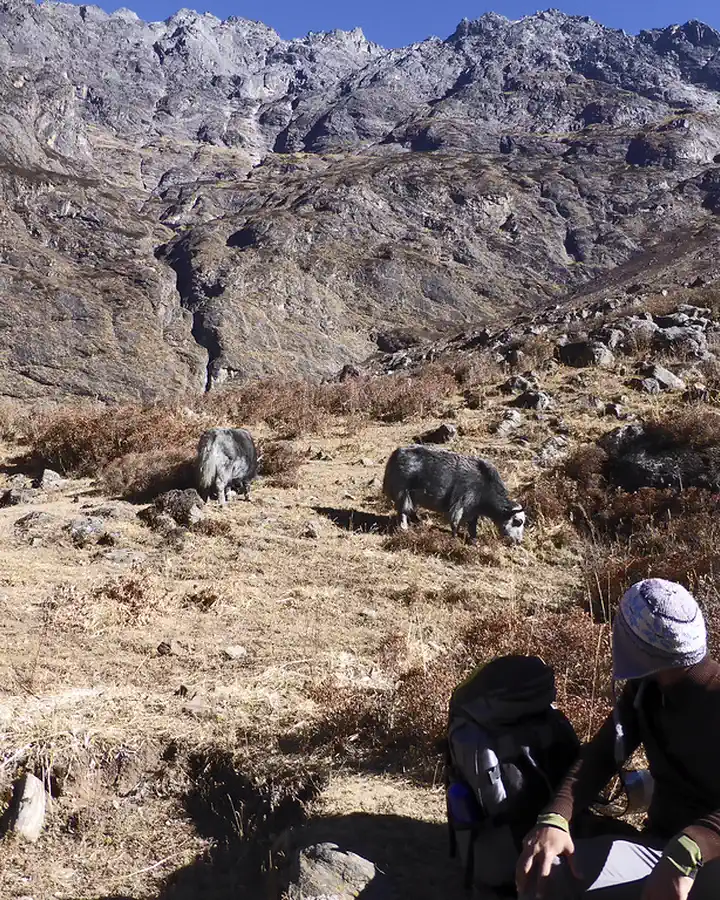
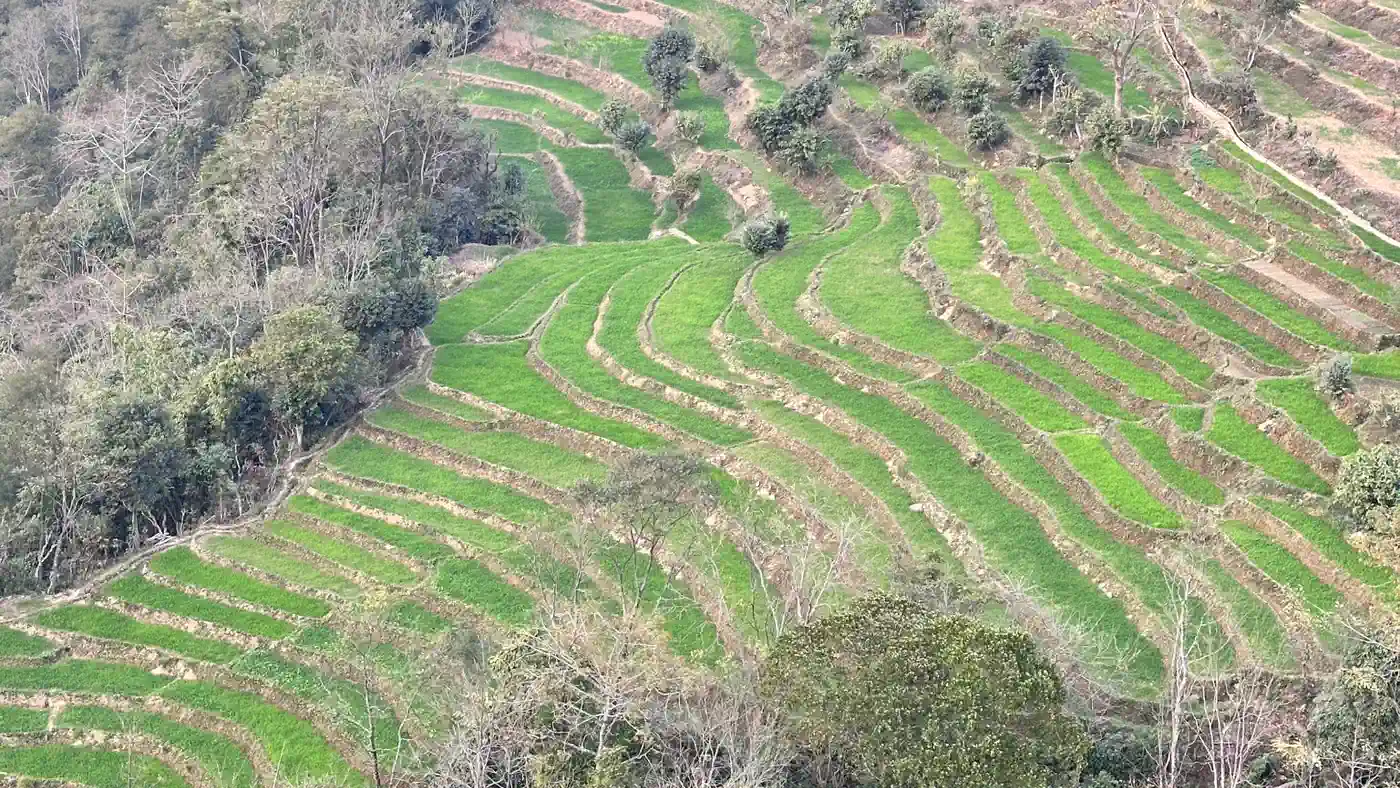
Responsible travel in Nepal is usually discussed in terms of plastic bottles. Bottles matter, but they are not the biggest lever. Where the money goes is.
The default split, and ours
On a typical international trekking package, somewhere between 20% and 40% of what you pay stays in Nepal. The rest goes to overseas marketing, foreign office costs and margin. On our Tamang Heritage Trail, 62% stays in Rasuwa district, and we publish the breakdown at the trip briefing.
| Where it goes | Share of a Tamang Heritage booking |
|---|---|
| Homestay households, paid directly | 31% |
| Guide and porter wages and insurance | 19% |
| Local transport, permits and food | 12% |
| Aroha operations, based in Kathmandu | 26% |
| Trail restoration fund | 1% |
| Payment fees, marketing, contingency | 11% |
Four decisions that matter more than the rest
First: sleep in locally owned lodges. In Khumbu and Annapurna a growing share of lodges are owned by Kathmandu investors, and the difference between a village keeping its income and exporting it is entirely down to which door you walk through.
Second: ask about porter weight limits and insurance. The legal limit is 25 kg. Enforcement is inconsistent. An operator who cannot answer immediately is telling you something.
Third: refill rather than buy. Above Namche, every plastic bottle was carried up by a person and will be carried down by a person, or it will not come down at all. Treatment tablets weigh nothing.
Fourth: go in the shoulder season if you can. October is when everyone comes, and it is when lodges are full and trails are queued. March, April and December put the same money into the same villages at a time when they need it more.
Twenty-three households in this valley have a roof because of trekking income. That is not an abstraction to us.
Dawa Tamang, community trails guide
What we are still bad at
Our flights. A Kathmandu–Lukla round trip is a meaningful share of the carbon footprint of an Everest trek, and there is no honest way to describe that as sustainable. The road alternative through Salleri adds three days and we offer it, but very few people take it. We would rather say that plainly than sell an offset.
Mentioned in this note
Journeys to look at.
Keep reading
Related notes.
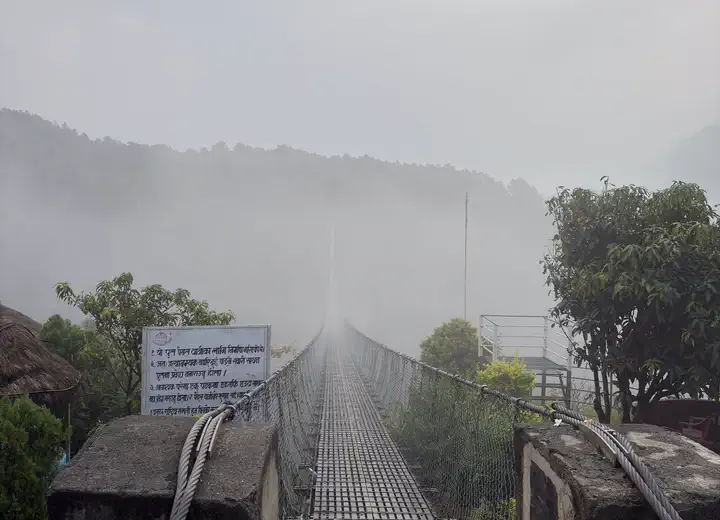
Why your guide is the most important part of your journey
The trail is the same for everyone. What differs is who is reading the weather, the group and the lodge owner's face.
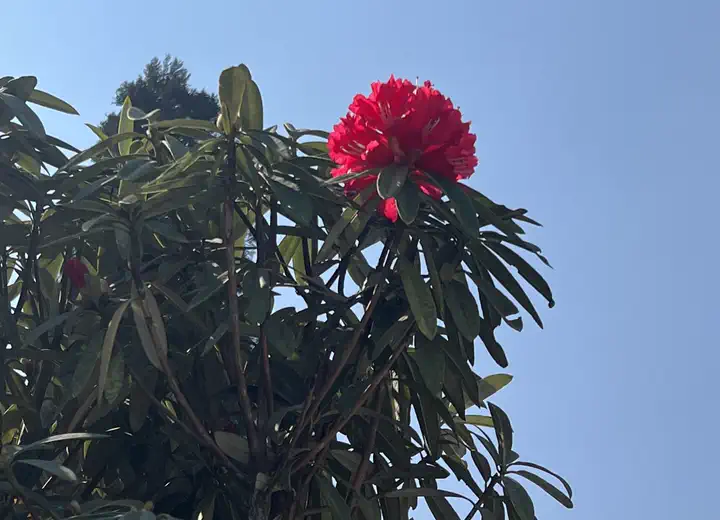
When to walk in Nepal, region by region
October is not the only answer, and for four of our eight regions it is not the best one.
Ready when you are
Sixteen journeys, eight regions.
Filter by the days you have, the fitness you have, and the season you can travel in.