The Aroha difference

Go further.
Tread lighter.
Feel more.

We believe the best journeys are generous — to travellers, to guides and to the places that make them possible.

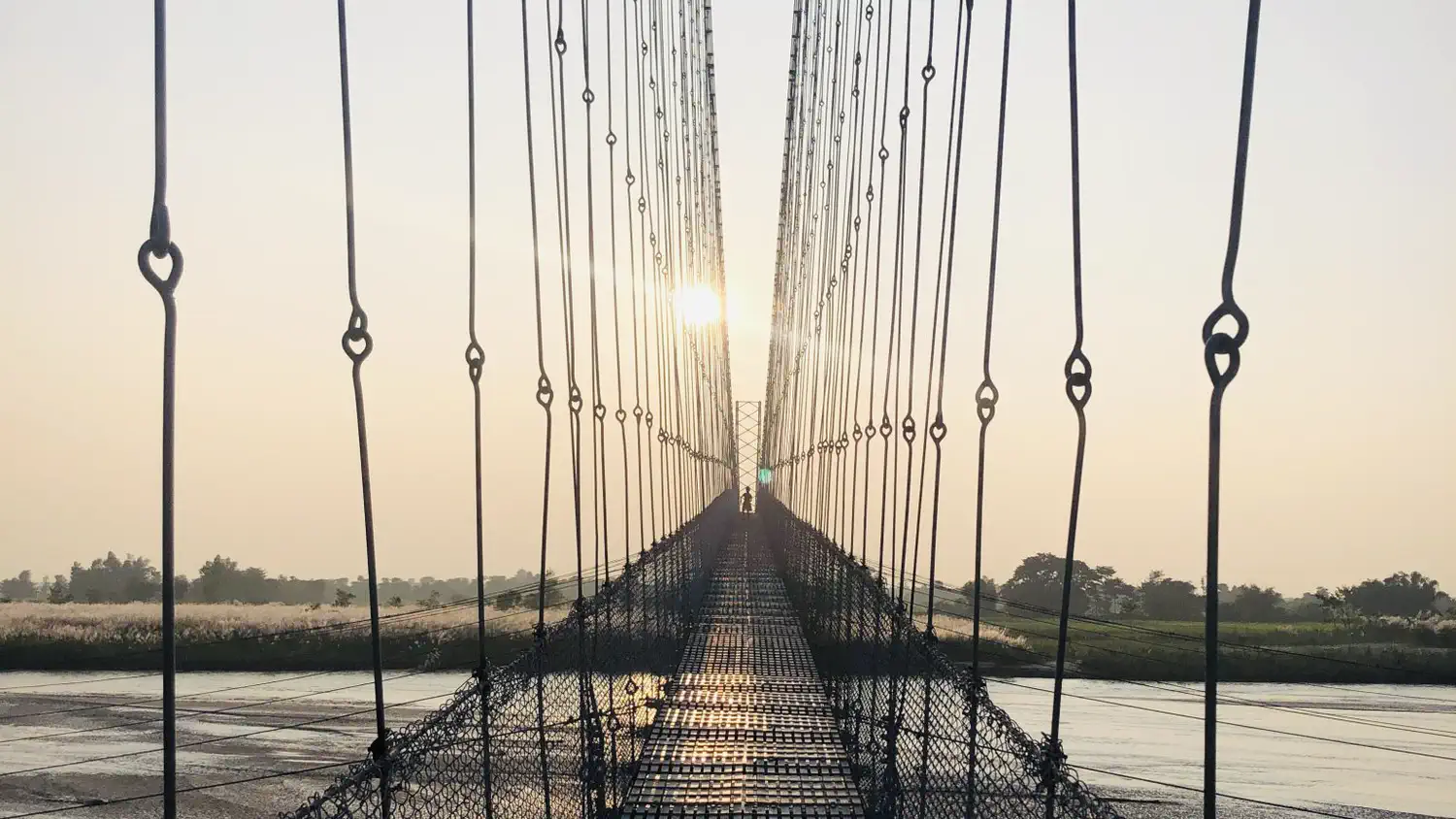
A suspension bridge on a Nepali trekking route

Aroha was built by people who were tired of watching international operators sell Nepal while keeping most of the money outside it. Every guide on our roster is Nepal-based. Every lodge and homestay is paid directly. Every price on this site includes guide and porter insurance, because a trip that does not is not cheaper — it is just shifting the risk onto someone else.

We run sixteen journeys across eight regions, cap groups at twelve, and turn down more custom work than we take. That is deliberate. A trip designer who is running forty departures cannot know the lodge owners on any of them.

How we work

Four commitments.

Everything else on this page follows from these.

Guides first, always

Our guides are employed, insured and paid above the national association rate, in season and out of it. Porters carry a maximum of 25 kg and are insured to the same altitude as their group. This is the single largest line in our cost base and we are not looking to reduce it.
Twelve travellers, maximum

Most departures run at eight to ten. Above twelve, a group stops fitting in a lodge dining room, stops moving at a single pace, and stops being able to change plan when the weather does.

Pay the village, not the middleman

Homestays and family lodges are settled directly at the end of each trip. On our community routes we publish the share of your fee that stays in the district, and we will show you the working if you ask.

Say the hard thing early

If a trip is wrong for you, we would rather lose the booking than have you find out at 4,500 m. Our enquiry replies regularly recommend a different journey, a different season, or another operator.

Responsible travel

Responsible travel, specifically

Vague commitments are easy. These are the ones we can be held to.

  • 1%Of every booking to trail restoration and waste removal in the region you walked
  • 25 kgHard porter load limit, enforced by weighing at every trailhead
  • 0Single-use bottled water sold or supplied on any Aroha departure
  • 62%Of a Tamang Heritage booking that stays in Rasuwa district

What we cannot fix. The thing we cannot fix is flying. A Kathmandu–Lukla round trip is a large share of the footprint of any Everest trek, and we are not going to describe an offset as a solution. We offer the road-and-walk alternative through Salleri on every Khumbu departure, and we will keep saying that very few people choose it.

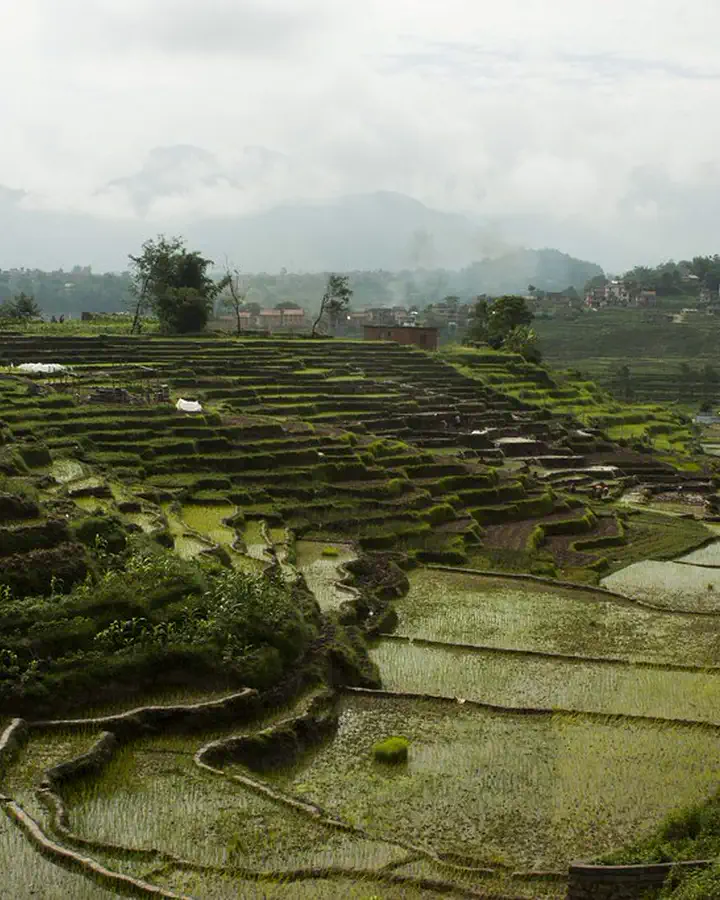
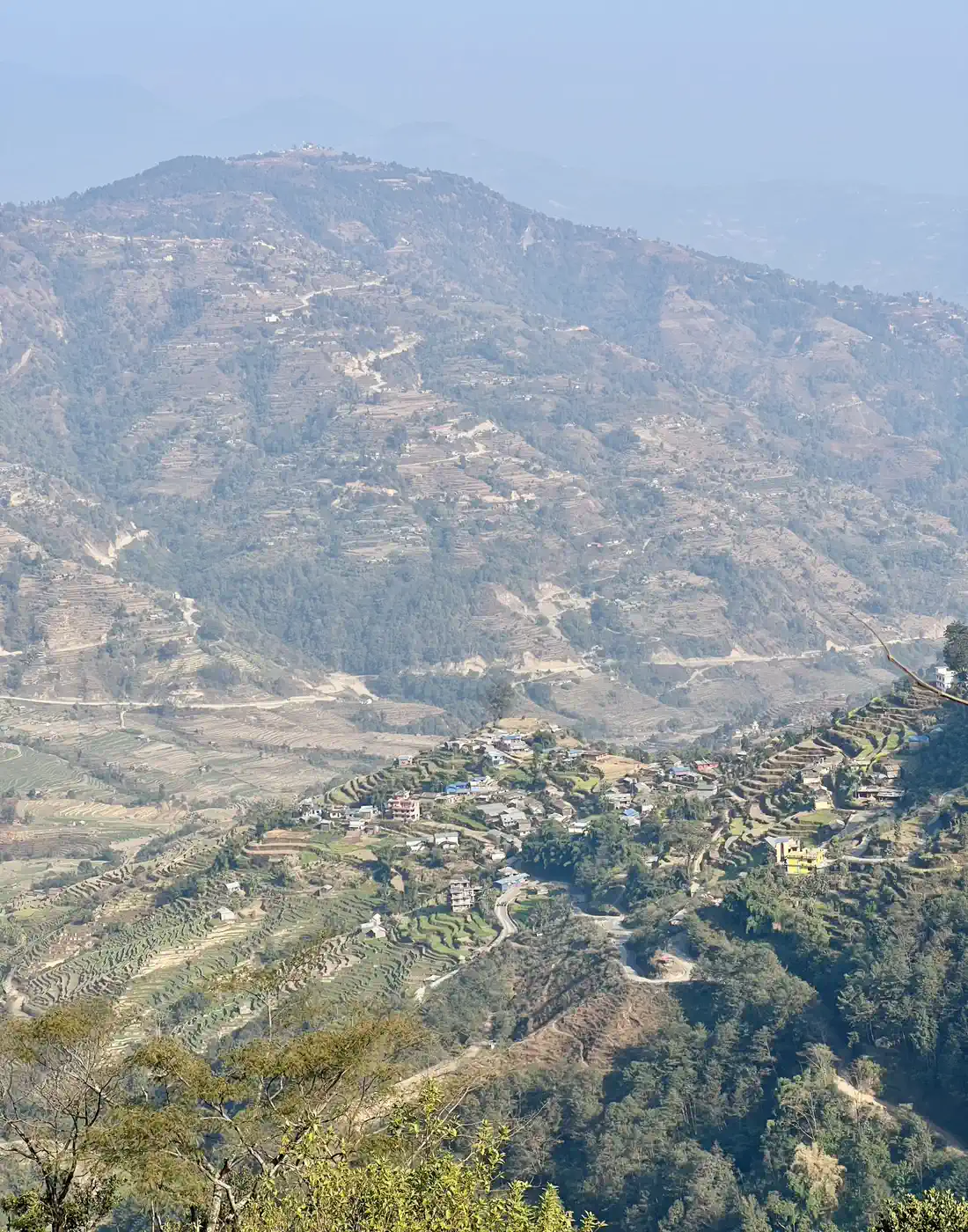
Terraced hill farming in the middle hills of Nepal

How we got here

Ten years, roughly.

A fictional history for a fictional company, included because a real one would have it.

  1. 2016

    Two guides and a spreadsheet

    Nima and Anisha start running trips for people who found them by word of mouth after the 2015 earthquake season.

  2. 2019

    The Rasuwa homestays

    Twenty-three households across five villages are trained and brought onto the Tamang Heritage Trail.

  3. 2022

    Eight regions

    Dolpo and Kanchenjunga are added, which means camping crews, satellite communicators and a much longer planning cycle.

  4. 2024

    Guides on salary

    The whole guide roster moves from per-trip fees to year-round employment with insurance and off-season pay.

  5. 2026

    Sixteen journeys

    The current catalogue, still capped at twelve travellers, still refusing more custom work than it accepts.

The roster

Six guides, eight regions.

Employed year-round, insured to altitude, and paid above the association rate.

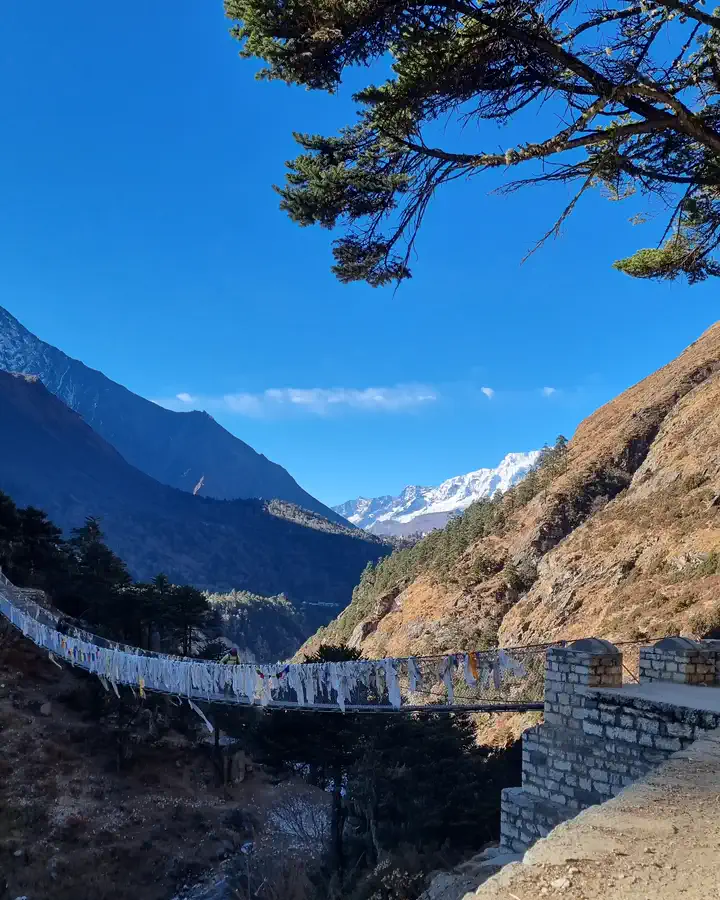
Guide profiles are fictional. The photographs beside them show the terrain each guide works in — they do not depict the people described.

Start somewhere

16 journeys, 8 regions.

Or tell us the weeks you have free and let a trip designer suggest where they are best spent.

Browse adventures