Know before you go · 7 min read
Altitude, honestly: what happens above 4,000 metres
What is normal, what is not, and the three rules that keep almost everyone out of trouble.
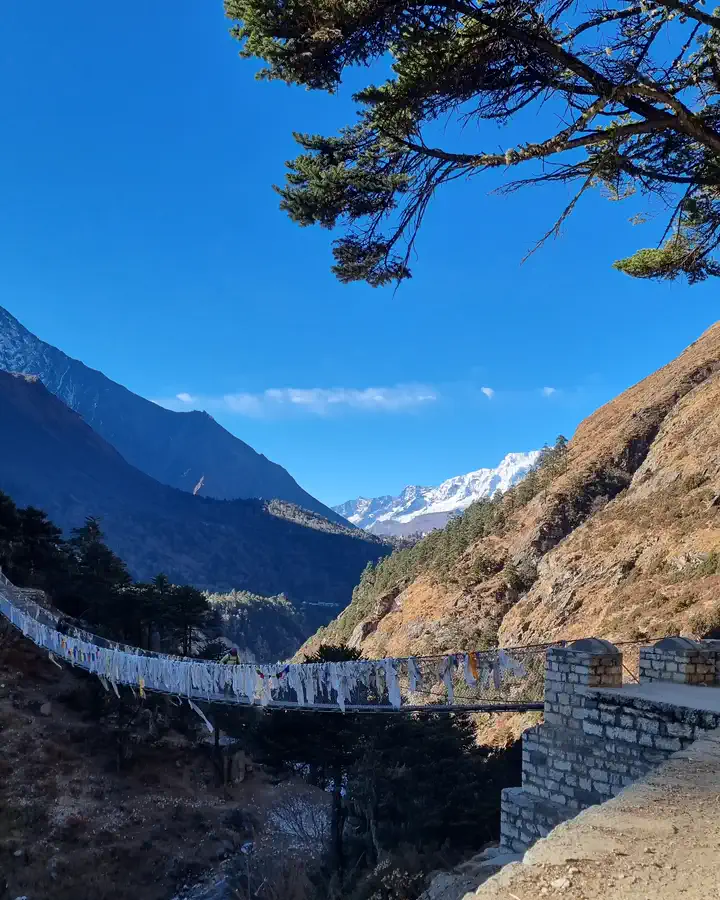
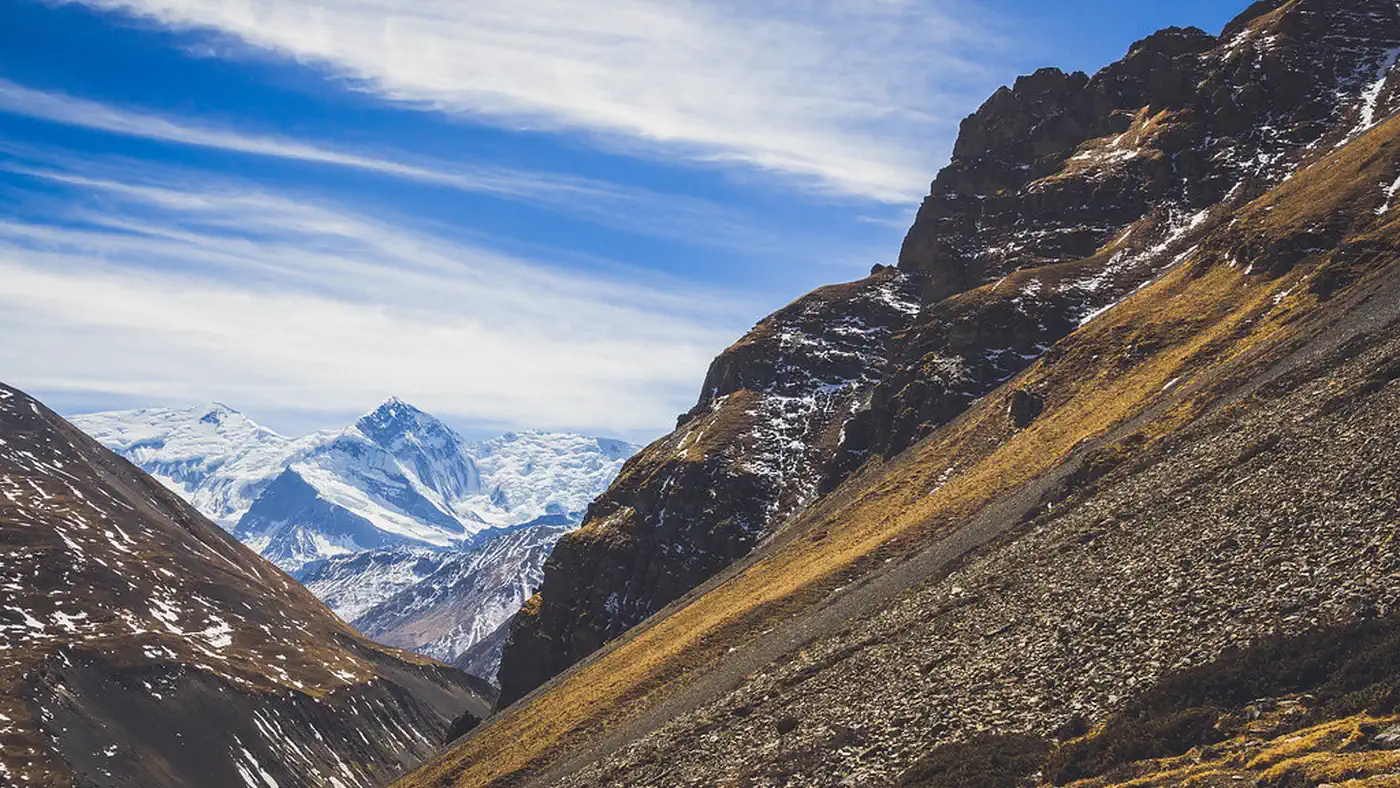
Altitude is the thing people worry about most and understand least. The short version: mild symptoms above 3,500 m are normal and common, serious illness is rare on a well-paced itinerary, and the difference between the two is almost entirely about how fast you went up.
What normal feels like
Above about 3,500 m most people get some combination of a dull headache, poor sleep, breathlessness on gentle slopes, strange dreams and no appetite. None of that is dangerous. It usually improves after a night or two at the same altitude.
What is not normal
- A headache that does not respond to paracetamol and rest
- Vomiting, or being unable to keep fluids down
- Loss of balance — being unable to walk a straight line heel to toe
- Breathlessness at rest, or a wet cough
- Confusion, or unusual behaviour that others notice first
Any of these means going down, immediately, that day. Not in the morning. Descent of 500 to 1,000 m resolves almost every case, and it is the only treatment that reliably works.
Three rules that cover most of it
Above 3,000 m, do not increase your sleeping altitude by more than 500 m a night. Take a rest day every 1,000 m of gain. And climb high, sleep low — a day walk to 5,080 m from Dingboche at 4,410 m does more for you than sleeping higher would.
| Trip | Highest sleep | Rest days | Profile |
|---|---|---|---|
| Langtang Valley | 3,870 m | 0 (day walk to 4,773 m) | Comfortable |
| Everest Base Camp | 5,164 m | 2 | Conservative |
| Annapurna Circuit | 4,525 m | 1 | Conservative |
| Island Peak | 5,100 m | 3 | Very conservative |
| Upper Dolpo | 4,900 m | 2 | Sustained, not spiky |
About Diamox
Acetazolamide genuinely helps with acclimatisation and is widely used. It is not a substitute for a sensible ascent profile, and it is not a treatment for someone who is already ill — that is descent. Talk to your own doctor before the trip rather than a lodge owner during it.
The pulse oximeter tells me something. The person's face at dinner tells me more.
Nima Sherpa, IFMGA mountain guide
How we handle it on trail
From the first night above 4,000 m your guide takes oxygen saturation and pulse readings each evening and records them. A falling trend over two nights gets a conversation. Every high itinerary carries a portable altitude chamber, and every guide has the authority to turn any individual around without asking anyone.
Mentioned in this note
Journeys to look at.
Keep reading
Related notes.
How to choose a Nepal trek that actually suits you
Everest, Annapurna, Langtang or somewhere quieter — four questions that narrow sixteen options down to two.
Packing for a teahouse trek without carrying too much
The list is shorter than you think, three items are worth spending real money on, and one thing everyone over-packs.
Ready when you are
Sixteen journeys, eight regions.
Filter by the days you have, the fitness you have, and the season you can travel in.