Climb · Kanchenjunga & the east
Mera Peak high-altitude climb
- 19 daysDuration
- 6,476 mHighest point
- TechnicalDifficulty
- ★ 4.843 reviews
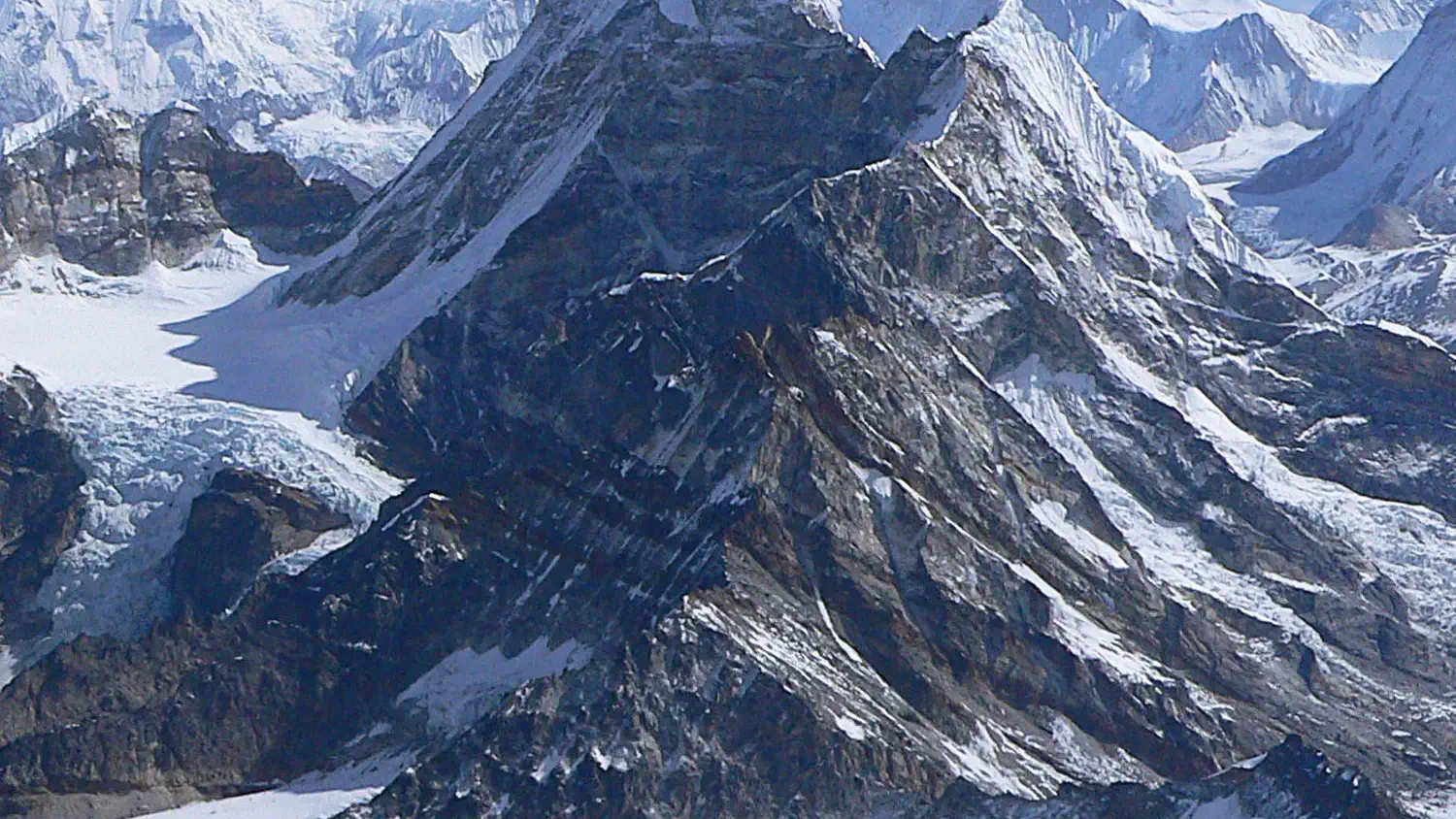
Nepal's highest trekking peak, approached through the empty Hinku valley, with five eight-thousanders visible from the summit.
Mera is 6,476 m — nearly 300 m higher than Island Peak — but the climbing is easier: a long snow slope with one short steep section below the summit cone. What makes it hard is the altitude and the cold.
The approach is the other half of the appeal. Rather than the busy Everest trail, the route crosses the Zatrwa La out of Lukla into the Hinku valley, which has no road, almost no lodges, and no other trekkers. You are alone with the mountain for a fortnight.
- Everest, Lhotse, Cho Oyu, Makalu and Kanchenjunga from one summit
- The Hinku valley — no road, no crowds, almost no infrastructure
- Crossing the Zatrwa La at 4,610 m on the second day of walking
- Two nights at high camp on the Mera glacier
The essentials
- Duration
- 19 days
- Highest point
- 6,476 m
- Group size
- Max 8
- Style
- Expedition climb
- Starts and ends
- Kathmandu to Kathmandu
- Best season
- Apr–May · Oct–Nov
- Accommodation
- 12 nights in lodges, 4 nights camping, 3 nights in a Kathmandu hotel
- Meals
- All breakfasts, lunches and dinners from Lukla to Lukla
- Transport
- Return flights Kathmandu–Lukla, airport transfers
- Permits
- Kanchenjunga restricted-area permit + conservation area entry
The shape of the journey
- 1
- 2
- 3
- 4
- 5
- 6
- 7
- 8
- 9
- 10
- 11
- 12
- 13
- 14
- 15
- 16
- 17
- 18
- 19
When to walk it
April to May and October to November. The east catches the monsoon early and hard.
- J
- F
- M
- A
- M
- J
- J
- A
- S
- O
- N
- D
- Prime
- Shoulder
- Closed
Day by day
19 days, as they are actually walked. Your guide may reorder a day for weather — that is the point of having one.
-
1
Arrive in Kathmandu
Transfer, briefing and climbing kit check.
- 1,400 m
- Kathmandu hotel
- Dinner
-
2
Fly to Lukla, walk to Chutanga
Off the main trail within an hour, climbing east into forest below the Zatrwa La.
- 3,050 m
- 6 km
- 4 hr
- Chutanga lodge
- All meals
-
3
Acclimatisation at Chutanga
A ridge walk towards the pass and back, to take the edge off tomorrow.
- 3,050 m
- 6 km
- 4 hr
- Chutanga lodge
- All meals
-
4
Zatrwa La to Thuli Kharka
Over the 4,610 m pass with the Hinku valley opening below, then a steep drop to the first camp on the far side.
- 4,300 m
- 10 km
- 7 hr
- Thuli Kharka lodge
- All meals
-
5
Thuli Kharka to Kothe
Down through rhododendron into the Hinku valley floor, following the river north.
- 3,600 m
- 13 km
- 6 hr
- Kothe lodge
- All meals
-
6
Kothe to Thangnak
Up the valley past summer grazing settlements, with Mera visible ahead for the first time.
- 4,360 m
- 10 km
- 5 hr
- Thangnak lodge
- All meals
-
7
Acclimatisation at Thangnak
Up to Sabai Tsho, a glacial lake at 4,500 m, and back for a slow afternoon.
- 4,360 m
- 8 km
- 4 hr
- Thangnak lodge
- All meals
-
8
Thangnak to Khare
Onto the Dig glacier moraine and up to the last settlement below the peak.
- 5,045 m
- 8 km
- 5 hr
- Khare lodge
- All meals
-
9
Acclimatisation and skills at Khare
A full day on the glacier above the village: crampons, rope work, self-arrest and fixed-line practice.
- 5,045 m
- 6 hr
- Khare lodge
- All meals
-
10
Rest day at Khare
Deliberately empty. At 5,045 m, doing nothing is the work.
- 5,045 m
- Khare lodge
- All meals
-
11
Khare to Mera Base Camp
Onto the glacier proper, roped up for the first time, to a camp on the ice.
- 5,350 m
- 5 km
- 4 hr
- Base camp tents
- All meals
-
12
Base Camp to High Camp
A short, slow day up the glacier to a rock shelf at 5,780 m with an enormous view and no shelter from the wind.
- 5,780 m
- 4 km
- 4 hr
- High camp tents
- All meals
-
13
Summit day, down to Khare
Away at 2 am on the snow slope, one steep 40 m section below the top, and the summit at 6,476 m for sunrise. Then all the way down to Khare.
- 6,476 m
- 14 km
- 12–14 hr
- Khare lodge
- All meals
-
14
Reserve summit day
Kept for weather. If the summit is behind you, this is a rest day at Khare before the walk out.
- 5,045 m
- Khare lodge
- All meals
-
15
Khare to Kothe
A long descent back down the Hinku, losing 1,400 m and gaining oxygen.
- 3,600 m
- 18 km
- 6 hr
- Kothe lodge
- All meals
-
16
Kothe to Thuli Kharka
Back up the far side of the valley towards the pass.
- 4,300 m
- 13 km
- 7 hr
- Thuli Kharka lodge
- All meals
-
17
Zatrwa La to Lukla
Over the pass a second time and down into Lukla for the last night on the trail.
- 2,840 m
- 16 km
- 8 hr
- Lukla lodge
- All meals
-
18
Fly to Kathmandu
Morning flight, hot shower, celebration dinner.
- 1,400 m
- Kathmandu hotel
- Breakfast, dinner
-
19
Departure
Airport transfer, or the spare day that absorbs a Lukla weather delay.
- 1,400 m
- Breakfast
Is this trip for you?
The highest trekking peak in Nepal at 6,476 m. Technically easier than Island Peak but significantly higher and colder, with a long summit push at extreme altitude.
What is included
Included
- IFMGA or NMA climbing guide at a 1:2 ratio on summit day
- Mera Peak climbing permit and Makalu Barun National Park entry
- Group climbing equipment and personal climbing kit hire
- Return Kathmandu–Lukla flights and all transfers
- Camping equipment and kitchen crew for the four nights on the glacier
- All meals from Lukla to Lukla
- Satellite communicator, pulse oximeter and portable altitude chamber
Not included
- International flights and Nepal visa
- Travel and evacuation insurance (mandatory, helicopter cover to 6,500 m)
- Personal clothing and sleeping bag
- Charging and wifi in lodges
- Summit bonus for the climbing crew, and tips
What to bring
- Expedition sleeping bag rated to −25 °C — high camp is genuinely cold
- Double mountaineering boots (hire available)
- Down suit or a heavyweight down jacket plus insulated trousers
- Glacier sunglasses and goggles
- Two pairs of gloves plus a spare
- Headtorch and spare batteries kept warm overnight
- 40 litre pack
- Insulated bottles — hydration bladders freeze solid
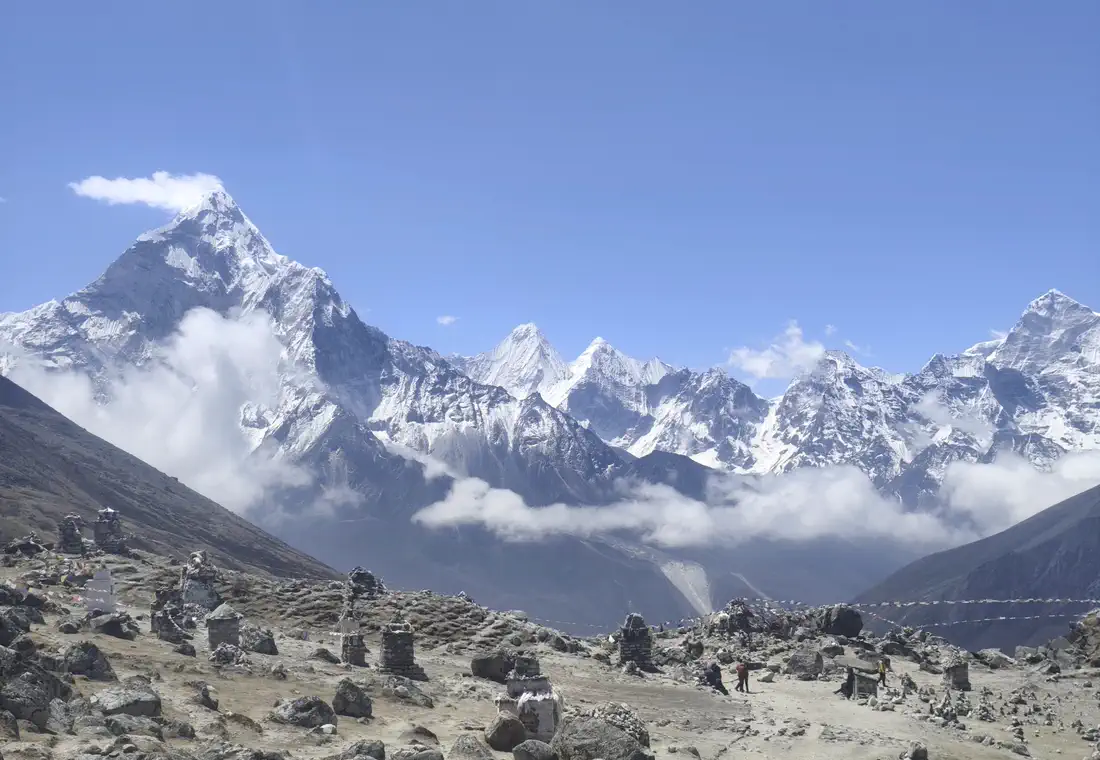
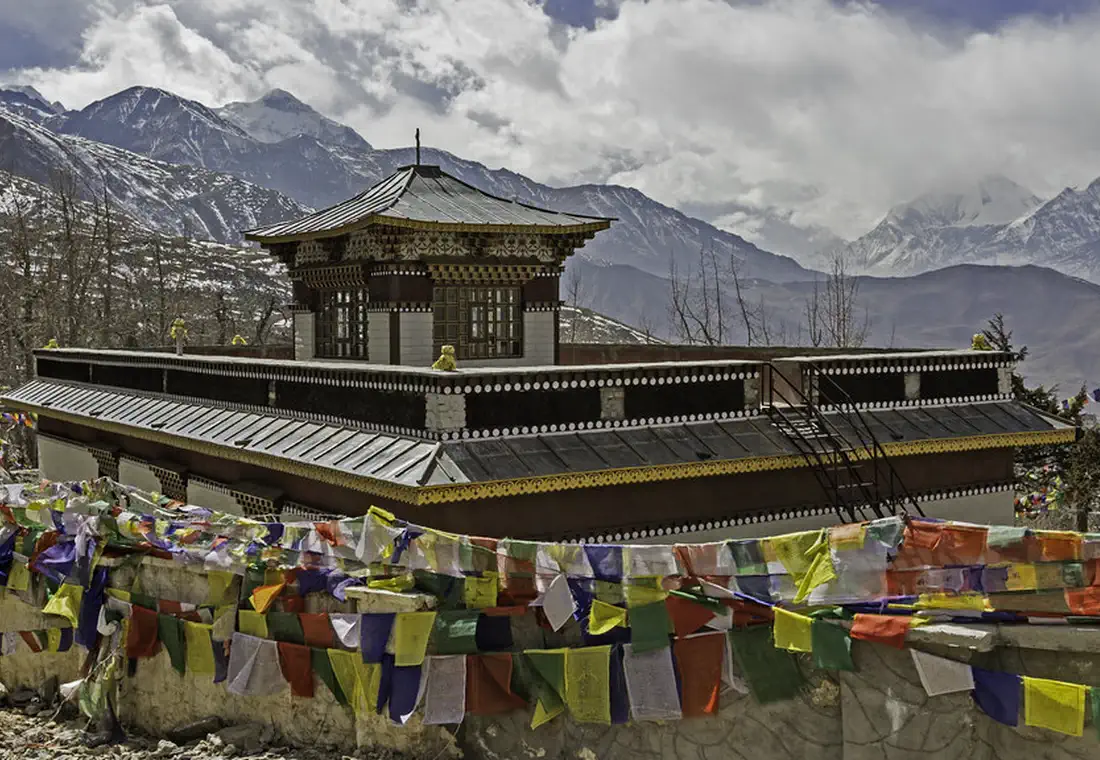
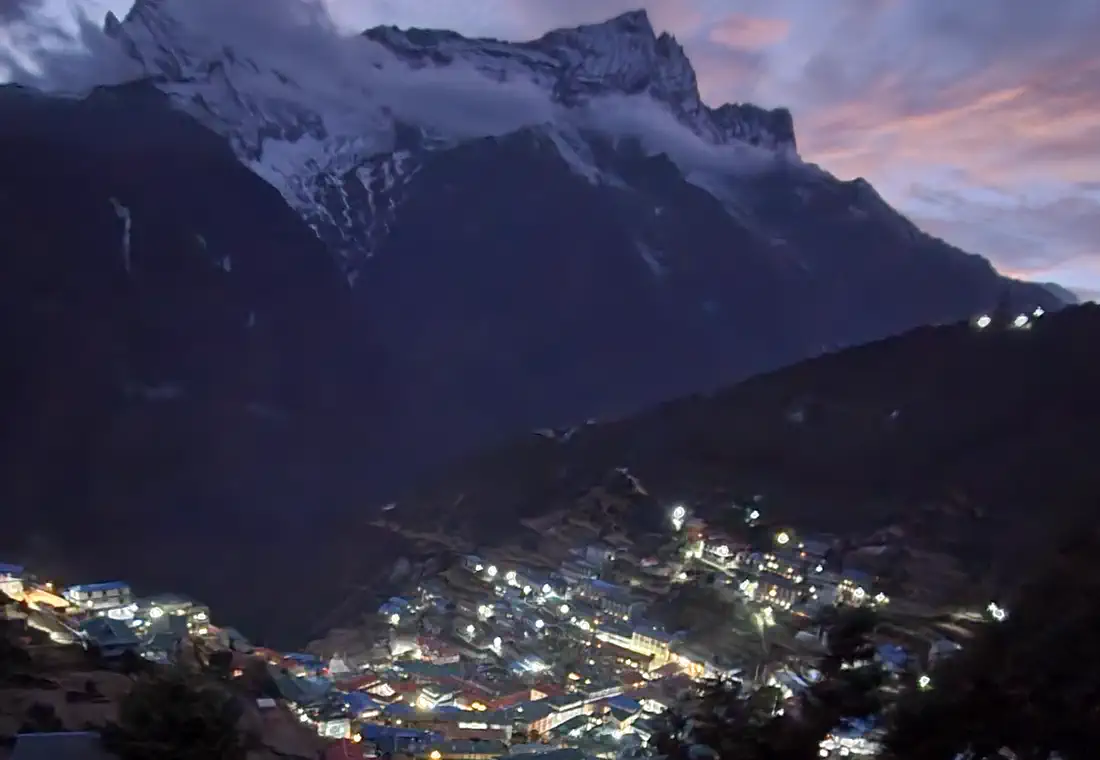
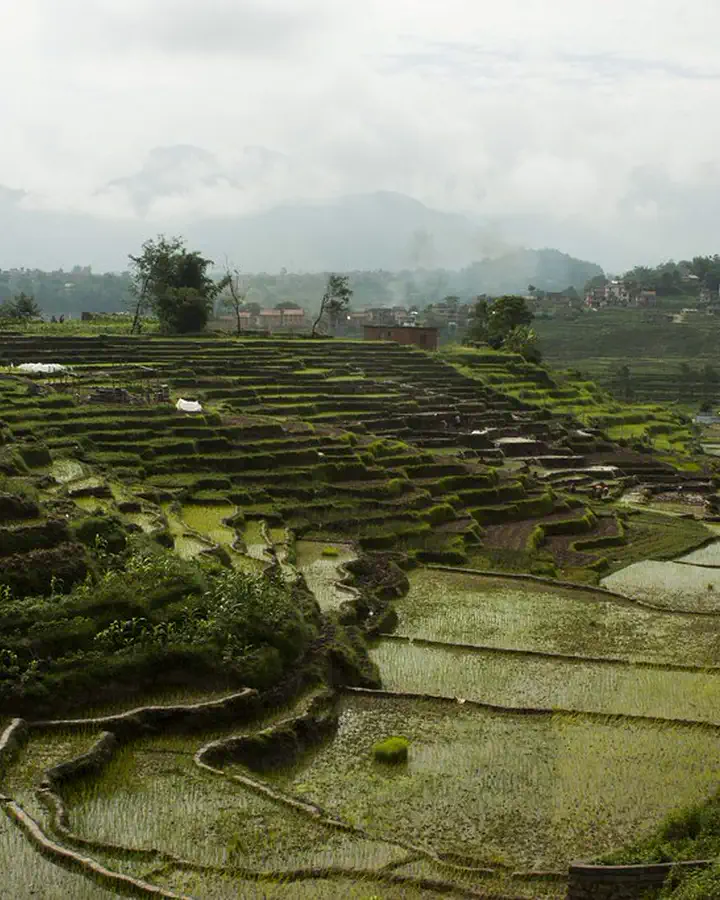
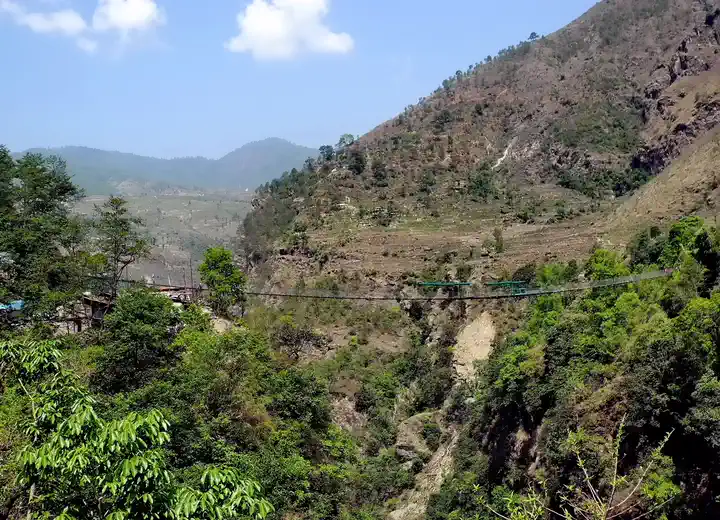
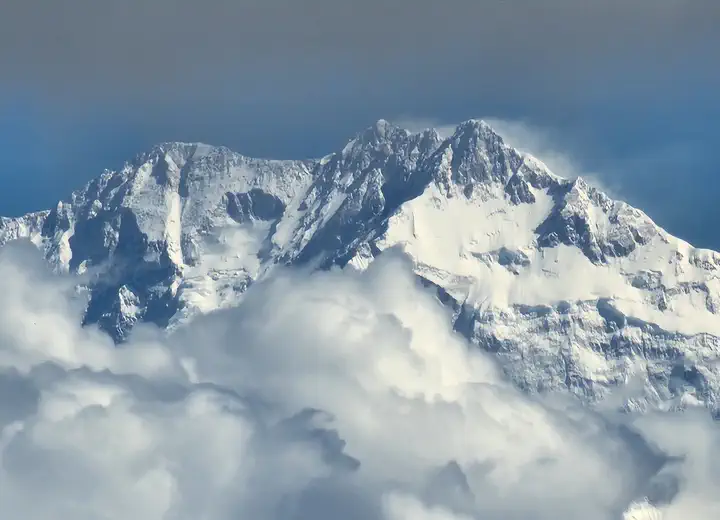
Demo photography, from the region rather than this departure. Every image is CC0 or public domain.
Departures
20% deposit confirms your place. Balance due 45 days before departure.
| Dates | Availability | Price | Book |
|---|---|---|---|
| 11 Apr – 29 Apr 2027 | Places open | $3,540 | |
| 16 Oct – 3 Nov 2026 | Few places left · 3 left | $3,540 | |
| 6 Nov – 24 Nov 2026 | Places open | $3,440 |
Your guides
Eastern Nepal, rivers & remote routes
Sunita Rai
River guide and trek leader, and the only person we would send to Pangpema with eight strangers.
Read the profile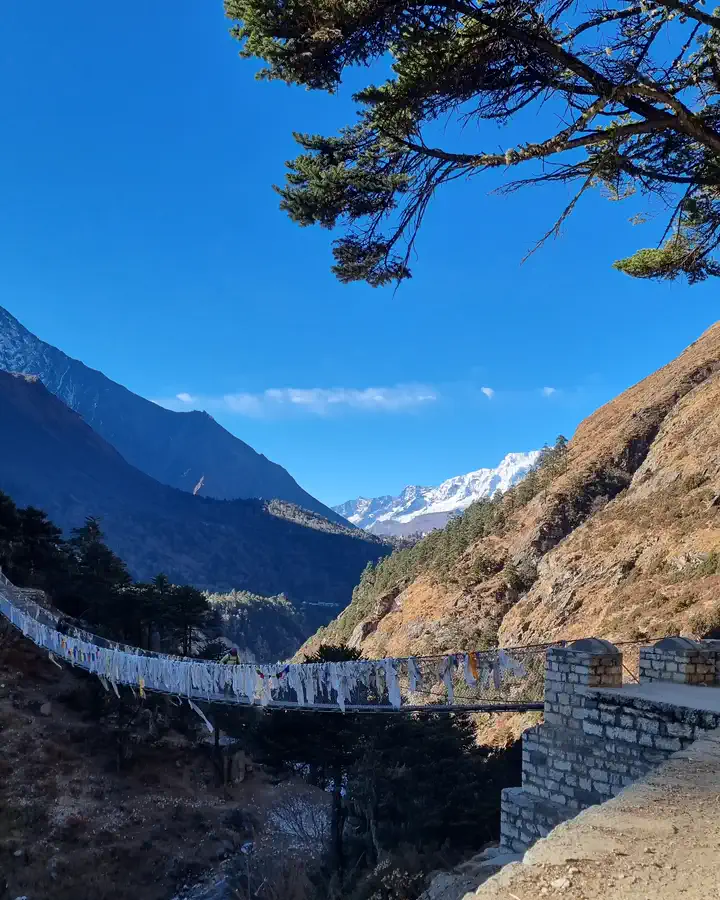
Everest & climbing
Nima Sherpa
Eighteen seasons in the Khumbu, and the person we send when the weather is doing something unusual.
Read the profileGuide profiles are fictional. The photographs beside them show the terrain each guide works in — they do not depict the people described.
What travellers said
★ 4.8 from 43 fictional demo reviews.
-
★★★★★
The view is not exaggerated
Sunrise from 6,476 m with five eight-thousanders around you. I stood there for twenty minutes and forgot how cold I was.
-
★★★★★
Underestimate the cold at your peril
The trip is superbly run. I under-bought on gloves and paid for it. Read the kit list literally.
-
★★★★★
Two weeks without a crowd
The Hinku valley approach is half the reason to choose Mera. We saw four other trekkers between Lukla and Khare.
Things to know
Mera or Island Peak first?
Island Peak if you want a technical introduction; Mera if you want maximum altitude with easier climbing. Mera is 287 m higher and colder, but the summit slope is a walk on snow rather than a headwall on rope.
How cold is high camp?
Minus twenty at night is normal, and there is no shelter on the shelf. This is the one trip where the sleeping bag rating on the kit list is not negotiable.
Is the Hinku valley really empty?
Compared to the Everest trail, yes. There are lodges at Kothe, Thangnak and Khare and very little in between. You will meet other climbers at Khare and almost nobody before it.
What is the summit view actually like?
Five of the world's fourteen eight-thousanders: Everest, Lhotse, Cho Oyu, Makalu and Kanchenjunga. It is the widest single panorama available from any trekking peak in Nepal.
You might also consider
Close relatives.
Same region or same spirit, different commitment.
Not quite right?
We will build it around you.
Different dates, a shorter version, a family pace or a route that is not on this site. Private departures start at the same price as scheduled ones.