How Fast Should Your Website Be, and Why Slow Costs You Sales

Let me start with the honest version, because I fix slow sites for a living and I have watched this pattern play out too many times.
A visitor taps your link. There is a beat of white screen. Then the logo pops in, the layout jumps as an image loads, and the button they wanted to press slides half an inch just as their thumb comes down. Two seconds have passed. On a phone, on a train, with three other tabs open, a lot of those people are already gone. They did not rage-quit. They just left, quietly, and you will never see them in any report as a lost sale.
That is the whole problem in one sentence: speed is not a technical nicety, it is the difference between a click and a customer.
What "fast enough" actually means
You do not need a stopwatch obsession. You need a rough target and a way to check it.
A good working goal for a small business site is that the main content shows up in under about two and a half seconds on a normal phone connection, and that the page feels stable and responsive the moment it appears. That is not me picking numbers out of the air. Google measures three things it calls Core Web Vitals, and they are just plain-English ideas wearing acronyms:
- LCP (Largest Contentful Paint): how long until the biggest thing on screen, usually your hero image or headline, actually shows up. Aim under 2.5 seconds.
- CLS (Cumulative Layout Shift): how much the page jumps around while loading. You want it to barely move. Nothing worse than tapping a button that jumps.
- INP (Interaction to Next Paint): how quickly the page reacts when someone taps or types. Snappy, not laggy.
Why should you care what Google names them? Because Google uses these as a ranking signal. Two shops sell the same thing, similar content, similar links, but one loads clean and the other crawls: the fast one tends to sit higher in search. Speed quietly buys you free traffic, and slow quietly gives it away.
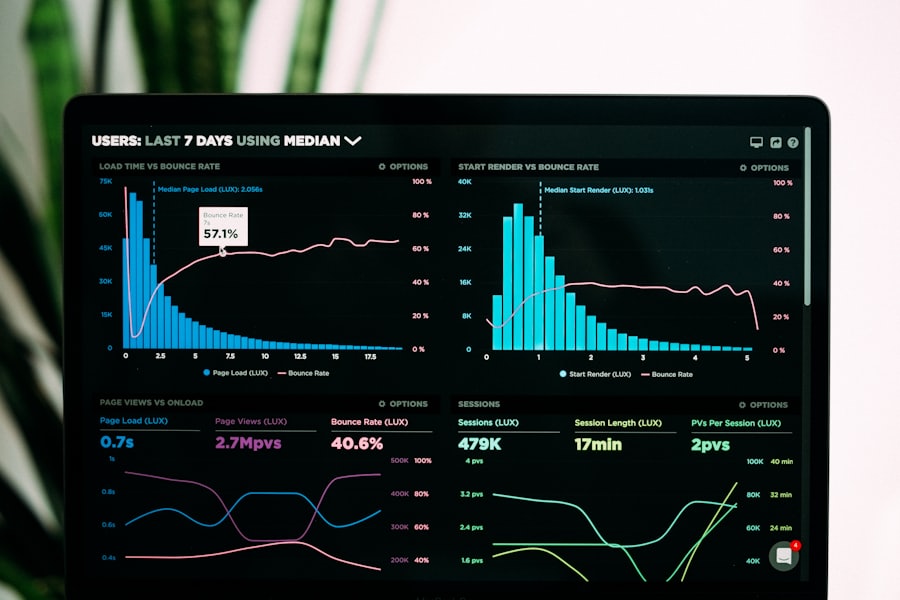
And there is the money you can actually see leaking. If you run any ads, every click is paid for. Send that paid click to a page that takes four seconds to load and a chunk of those people bounce before your offer even renders. You paid for the visit and got nothing. Slower pages tend to have higher bounce rates, and on a landing page you are funding, that is real cash going out the door for no return.
Why sites end up slow
Almost every slow site I open is slow for the same handful of reasons. None of them are mysterious.
Huge unoptimized images. This is the number one culprit by a mile. Someone drops a photo straight off a phone or a stock library, a 6000 pixel, four megabyte file, into a spot that only ever displays it 800 pixels wide. The browser downloads the whole giant thing anyway. One page can carry ten of these. That is your two seconds right there.
Too many scripts and tracking tags. A chat widget, three analytics tags, a heat-map tool, a popup builder, two ad pixels, a review badge. Each one is extra code the browser has to fetch and run before the page settles. Owners rarely add these all at once, they pile up over a year, and nobody ever removes the ones that stopped being used.
Cheap shared hosting. The five-dollar plan where your site sits on one tired server with hundreds of other sites. When a neighbor gets busy, you get slow. It is fine for a hobby page. It quietly caps how fast a business site can ever be.
Heavy page builders. A lot of drag-and-drop builders generate bloated, tangled code to give you that visual freedom. The convenience is real. The weight it adds to every single page is also real, and your visitors pay for it in load time.
None of this makes you a bad site owner. It is just how sites drift over time when nobody is watching the weight.
Fixes, from easiest to biggest
Here is the good news: most of this is fixable, and the early wins are cheap.
Start with images, because that is usually where most of the fat lives. Resize them to the size they actually display, compress them, and serve modern formats like WebP. Free tools do this in seconds, and it is common to cut a page's size by more than half without any visible quality loss. Honestly, if you only ever do one thing, do this.
Next, audit your scripts. Open the list of everything loading on your site and be ruthless. That analytics tool you never open, the widget from a campaign that ended last spring: cut them. Every tag you remove is weight gone for good.
Then look at your foundation. Better hosting, or a content delivery network (a CDN, which just means copies of your site kept on servers near your visitors so it arrives faster), makes a real difference for a small monthly cost. And if the site itself is built on something heavy and old, the deeper fix is the stack underneath it. A modern setup like Next.js or Astro can build your pages ahead of time and serve them as ready-made files, so they land almost instantly instead of being assembled on every visit. I compared that approach against the classic option in Next.js vs WordPress for a small brand, if you want the fuller picture on choosing a base.
If you want to see what a fast, clean starting point looks like, our store templates are built lean from the ground up, and you can browse the stacks we work in on the technologies page.
The short version
Fast is not a luxury feature you bolt on later. It is the plumbing that decides whether your traffic, paid or free, turns into anything.
Check your site on a phone, on a normal connection, and be honest about the wait. If it drags, start with the images, then the scripts, then the foundation. Most sites can get a lot faster without a full rebuild.
And if you would rather someone just measure it, tell you what is actually wrong, and fix it properly, that is exactly the kind of job we take. Tell us about your site on our booking page and we will give you a straight read on where the time is going.
Ready when you are.
Get a faster siteGet the next one in your inbox
Occasional, practical notes on building sites that sell. No spam, unsubscribe anytime.
Keep reading

Why Your Small-Business Website Gets Traffic but No Enquiries
A practical diagnosis for the frustrating middle: people visit the site, but the phone stays quiet and the enquiry form gathers dust.

Your Website Is a Decision Tool, Not a Brochure
A useful business website does more than describe the company. It helps a real person make the next decision with less doubt, less hunting, and fewer open tabs.