Do You Need an AI Chatbot on Your Site? A Straight Answer
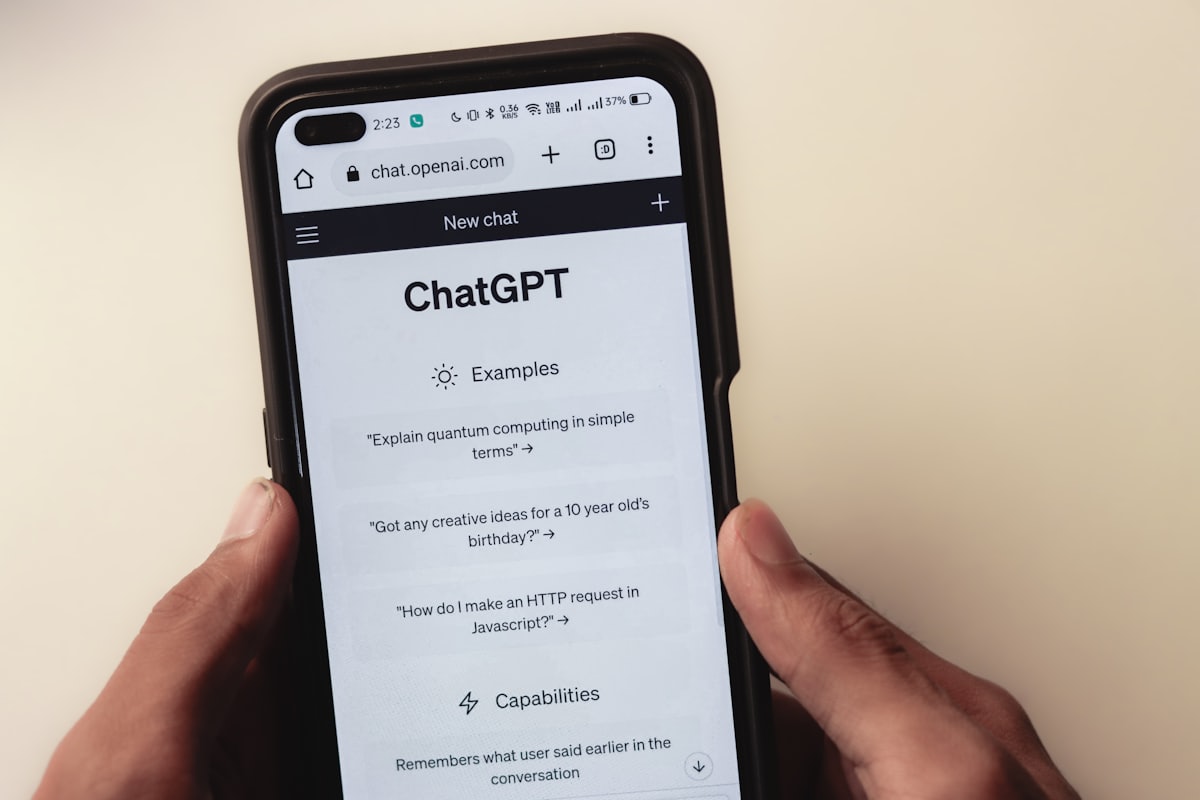
Every week someone asks me to put a chatbot on their site because a competitor has one. My first question is always the same: what do you want it to actually do?
Half the time the honest answer is "I am not sure, it just looks modern." That is the wrong reason. A chatbot is not decoration. It is a piece of staff, and like any staff member it can be great, useless, or actively bad for business.
So here is my straight answer, from someone who builds these and still talks plenty of people out of them.
When a chatbot earns its place
A good bot does one thing: it answers the question a visitor would otherwise email you about, at the moment they have it, without making them wait.
That is genuinely useful in a few situations.
- You get the same handful of questions over and over. Opening hours, delivery areas, return policy, "do you do X." If you can predict eighty percent of what people ask, a bot can handle it and free you up.
- People visit after you have closed. A restaurant, a clinic, a shop. Someone lands at 11pm, wants to book or ask something, and there is nobody there. A bot that captures their name and question and hands it to you in the morning is quietly earning money while you sleep.
- Your catalogue is large. If you sell hundreds of products or list dozens of services, a bot that helps someone find the right one beats a search box that returns forty results. It acts like a helpful person on the shop floor pointing you to the right shelf.
Notice the pattern. In every case the bot removes a real friction that already exists. It is not there to look clever. It is there because a human is not available and the question is common enough to answer well.
When one of those is true, I am happy to build it. That is exactly the kind of assistant we set up for clients, wired into your real hours, your real menu, your real booking flow, so it answers with your information and not made-up nonsense.
When you should skip it
Now the other side, because this is where most people go wrong.
Skip the bot if your traffic is low. If twenty people visit your site a week, a chatbot is a solution looking for a problem. You will spend money maintaining a feature almost nobody triggers, and the few who do would have been happier with a phone number. Answer them yourself. You have the time, and a real reply from the owner beats a scripted one every single day.
Skip it if your site is simple and your phone works. A one-page site for a local plumber does not need AI. It needs a big tappable phone number and maybe a WhatsApp link. When someone has a burst pipe, they are not going to type into a chat window. They want to call a human right now. Do not put a robot between a ready customer and the thing they came to do.
And please skip it if you have nothing to feed it. This is the big one. A bot trained on nothing just deflects. You ask it a real question and it says "I am sorry, I cannot help with that, please contact support." That is worse than having no bot at all, because now you have annoyed the visitor and taught them that your site wastes their time. A silent page is neutral. A useless bot is a bad first impression that follows people around.
I will say it plainly: a bad chatbot costs you sales. It is not a harmless little widget. If it gets in the way, misreads questions, or loops people in circles, some of them just leave. That is the same quiet leak I wrote about in why a slow website costs you sales. Friction is friction, whether it comes from a slow page or an unhelpful bot.
How to decide in five minutes
Here is the test I use with clients.
Write down the last twenty questions real people asked you. Emails, calls, DMs, all of it. Then look at the list.
If most of those questions have the same short factual answer, and they keep coming in outside your working hours, a bot will probably pay for itself. You have the raw material to make it genuinely useful, and a clear job for it to do.
If the questions are all different, or they need judgement, or a quick call would settle them faster, do not build a bot yet. Put your energy into a clear site, a visible phone number, and a booking link. You can always add an assistant later once you actually have the volume to justify one.
A chatbot should make your business feel more responsive, not more robotic. If it cannot clear that bar, it does not belong on your site.
One more thing. A chatbot is not a fix for a confusing website. If people cannot find your prices or your contact details, a bot bolted on top just papers over the crack. Sort the site first. Often a clean website design or a solid ready-made template removes the very questions you were going to build a bot to answer.
If you have gone through the test and you think an assistant genuinely fits, that is the point where it is worth a real conversation. We build these when they earn their keep, and we will tell you honestly if yours does not. Book a call and we will work out whether a bot helps your customers or just gets in their way.
Ready when you are.
Talk to us about an assistantGet the next one in your inbox
Occasional, practical notes on building sites that sell. No spam, unsubscribe anytime.
Keep reading
Why Your Small-Business Website Gets Traffic but No Enquiries
A practical diagnosis for the frustrating middle: people visit the site, but the phone stays quiet and the enquiry form gathers dust.

Your Website Is a Decision Tool, Not a Brochure
A useful business website does more than describe the company. It helps a real person make the next decision with less doubt, less hunting, and fewer open tabs.