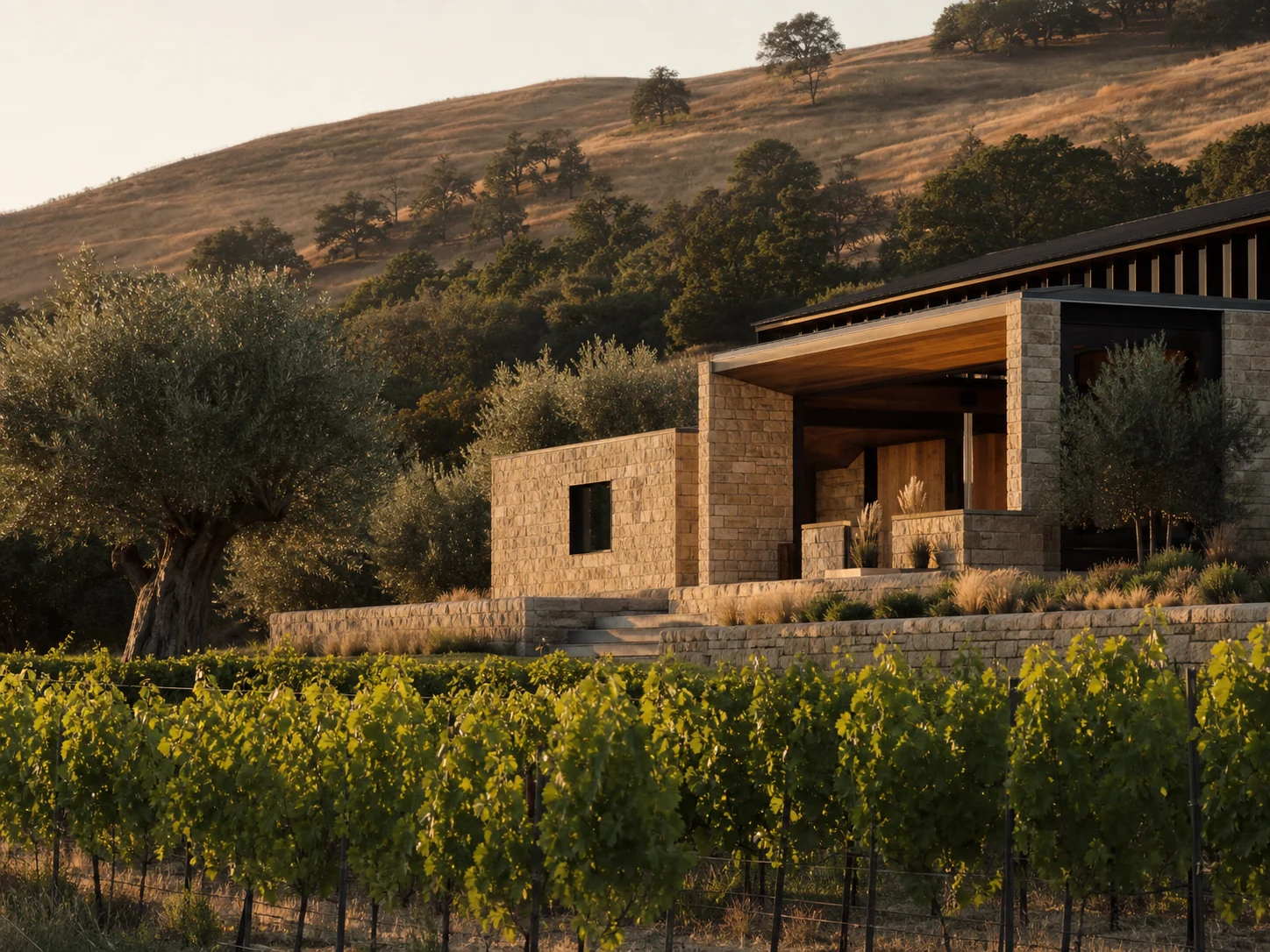
The Estate
Three terroirs. One conviction. The best wine you can make is the one your land wants to give you.
A single block.
Thirty-seven years later.
SOLERA was planted in 1987 by Marcus and Helena Durán on a sun-facing hillside in Oakville. They came from northern Spain, where the solera method of aging wine — passing each year's character forward into the next — had shaped their understanding of what wine could be.
The name was their first and only brand decision. Everything else — the varieties, the land, the style — took decades to understand. "We planted Cabernet Sauvignon because everyone told us to," Marcus recalled years later. "We kept planting it because the land kept asking us to."
Today SOLERA farms 180 acres across three distinct growing regions. The founding Oakville block remains the estate's heart. The children of the original Durán vines still grow in row seven.
Three Terroirs
Oakville AVA
Napa Valley · Benchland
Volcanic alluvial soils over fractured basalt. The benchland sits at 150 feet, above the valley floor fog that strips heat from lower sites. Long hang time, extraordinary concentration. Home of the founding Cabernet Sauvignon block.
Fort Ross-Seaview
Sonoma Coast · 1,400 ft elevation
Goldridge sandy loam and clay-loam over fractured Franciscan sandstone. Morning fog rolls in from the Pacific daily — vines wake late and sleep early. The extreme diurnal variation (45°F daily swings) produces Pinot Noir and Chardonnay of uncommon tension and freshness.
Willow Creek
Paso Robles · Calcareous limestone
Shallow calcareous clay-loam over fractured limestone. The Templeton Gap — a natural break in the coastal range — channels Pacific wind through the district every afternoon. Warm mornings drive ripeness; cool afternoons preserve acidity. The Syrah from this site has genuine northern Rhône character.
SOLERA barrel room and stone cellar photography
"The cellar is where the season becomes the wine. Every barrel holds a year — patient, dark, and quietly transforming."
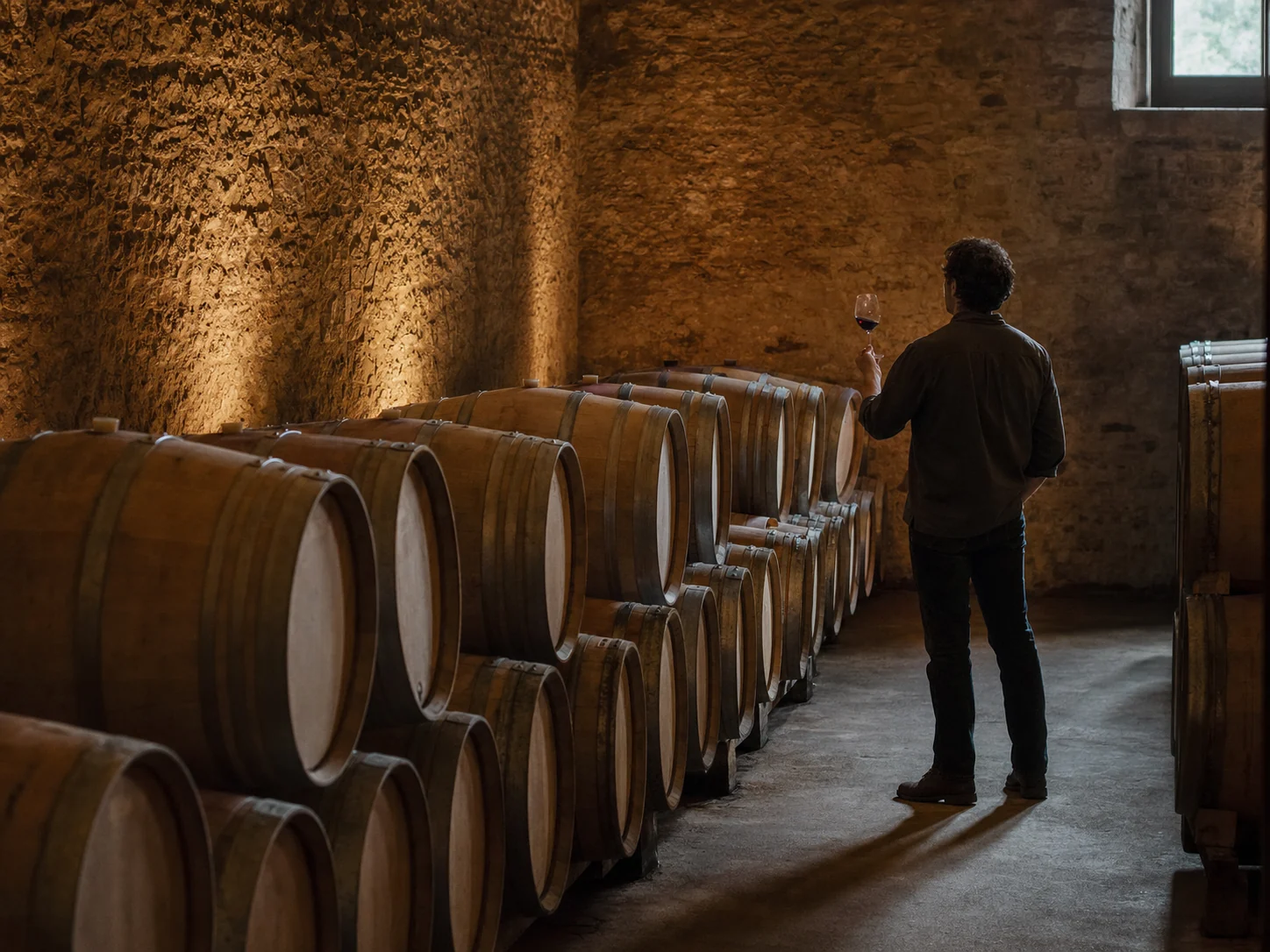
Barrel Room
French Oak · 225L Pièces
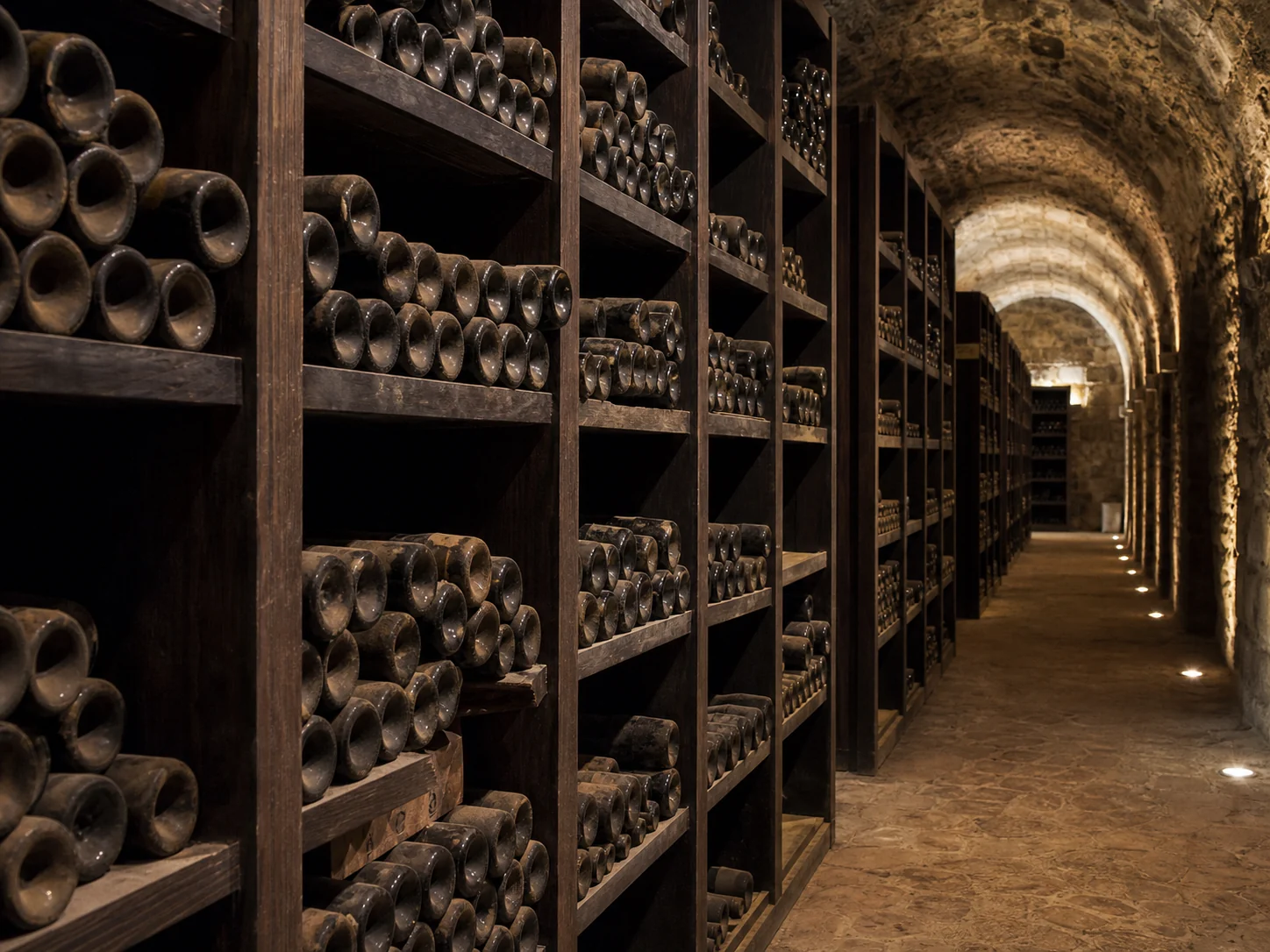
Stone Cellar
Est. 1987 · 12,000 bottles
Elena Vásquez
Head Winemaker since 2008
Elena came to SOLERA after seven vintages at Domaine de la Romanée-Conti and four years in the southern Rhône. She brought a Burgundian reverence for transparency — "wine should taste like where it came from, not what was done to it."
Her philosophy at SOLERA is minimum intervention: gentle whole-cluster pressing, native-yeast fermentation where the population is reliable, patient barrel regimes that never overextract, and blending decisions that take months rather than days.
"Every vintage teaches you something the previous one didn't. The vine is always smarter than you. The best thing you can do is stay out of the way."
"The vine is always smarter than you. The best thing you can do is stay out of the way."
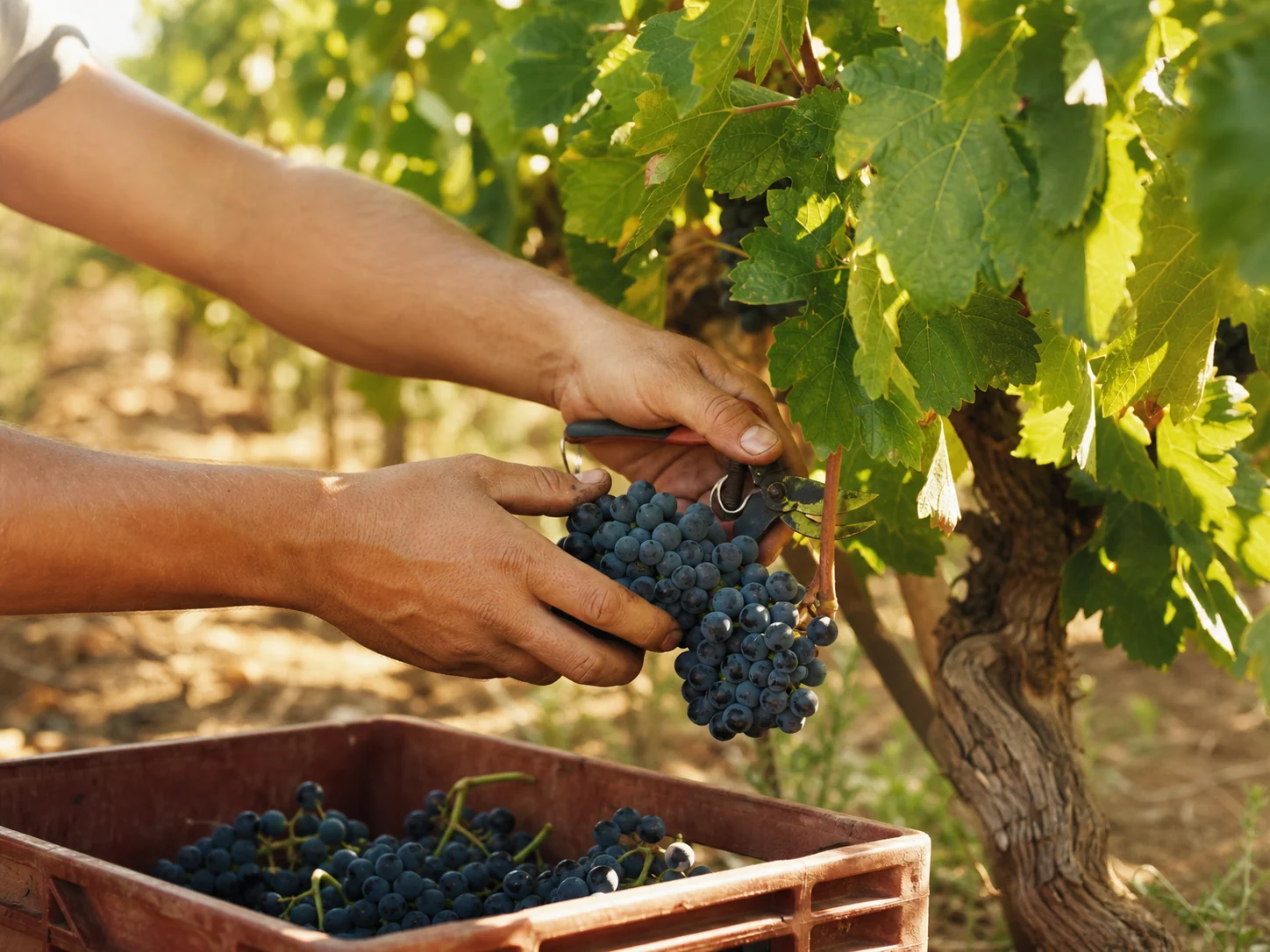
The soil is the wine.
Winemakers talk endlessly about terroir. What they mean, at its most essential, is this: the geological structure beneath your vines determines what flavours they produce. No technology overrides it. No winemaking corrects for it. It is given.
At SOLERA, the Oakville benchland sits above a deep profile of volcanic alluvial soils over fractured basalt. Our roots reach down three metres or more, accessing ancient mineral reserves that no irrigation ever touches. That's why the Estate Reserve Cabernet has a graphite character no other valley wine replicates.
At Fort Ross-Seaview, the picture is different: Goldridge sandy loam over fractured Franciscan sandstone. The sand drains quickly — too quickly, some say. We say the vine's struggle is the wine's complexity.
3m+
Root depth
180ac
Estate farmed
37yr
Oldest block
Farming with intention.
Certified Organic
All three estate blocks have been farmed organically since 2010. No synthetic pesticides, herbicides, or fertilizers.
Native Yeasts
We ferment with native yeast populations established over decades in the cellar. The character of our fermentations is unique to this place.
Solar Powered
The winery and estate facilities run on 100% solar energy generated on-site. Our carbon footprint per case is among the lowest in the valley.
Water Stewardship
A 2-acre constructed wetland recycles all winery process water back into the vineyard. We use 40% less water per ton than the California average.