8 Signs Your Cat Is in Pain (And Why Cats Hide It So Well)
Cats are stoic by nature — a survival instinct that can mask serious pain. Here are the behavioral and physical cues to watch for.
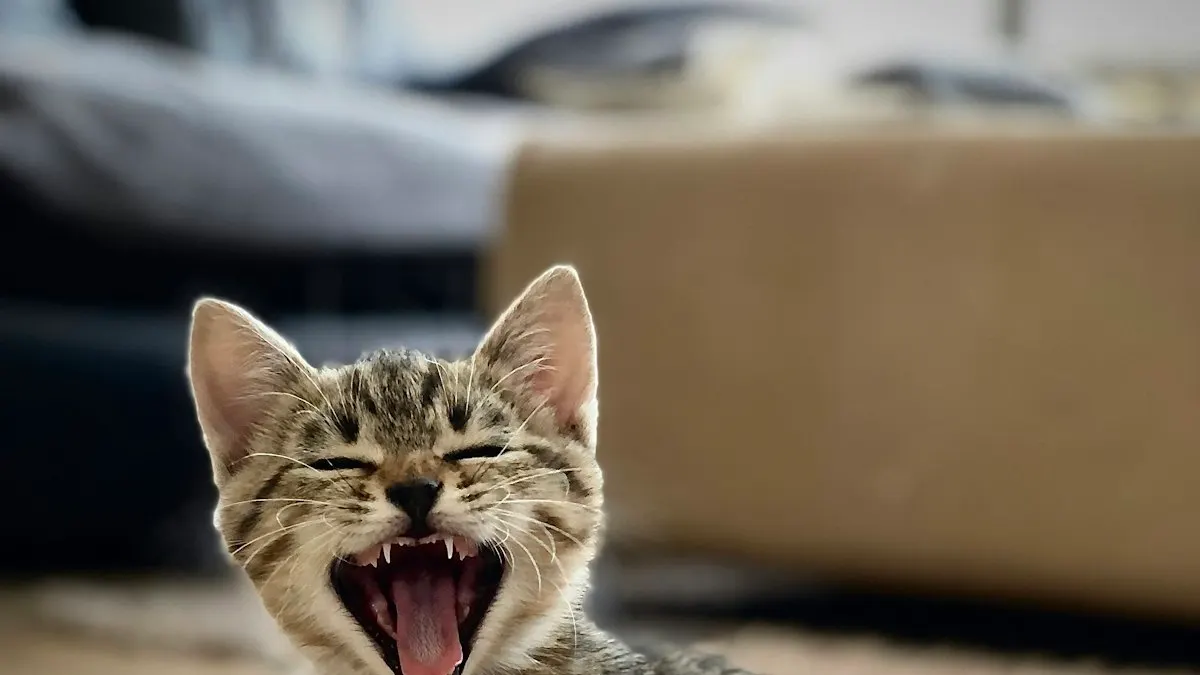
Cats evolved as both predators and prey, which means showing weakness was historically dangerous. The result is a species that conceals pain with extraordinary effectiveness — to the point that many owners don't realize their cat is suffering until the condition is advanced. Recognizing the subtle behavioral shifts that signal pain can help you get your cat the care they need early.
The most common signs of pain in cats include: (1) Hiding more than usual — a social cat who suddenly prefers the back of the closet is often unwell. (2) Changes in facial expression — the Feline Grimace Scale (FGS) codifies this: look for squinted eyes, flattened ears, a tense muzzle, and whiskers pulled back. (3) Changes in posture — a hunched back, weight shifted off one leg, or refusing to jump up where they used to sleep. (4) Reduced grooming (resulting in a dull, matted coat) OR over-grooming one area (indicating localized pain or itching). (5) Vocalizing unprovoked — growling, hissing, or yowling when touched, or spontaneous vocalizing at night. (6) Decreased appetite or sudden food aversions — dental pain in particular causes cats to approach the food bowl and then walk away.
(7) Aggression or personality changes — a typically gentle cat who begins biting or scratching when handled in a certain area is often protecting a painful spot. (8) Changes in litter box behavior — pain from arthritis, urinary tract infections, or constipation commonly presents as straining, vocalizing in the box, or eliminating just outside it. It's worth noting that these signs can also indicate stress, cognitive dysfunction, or other medical conditions rather than pain specifically, which is why a vet exam is always the first step rather than assuming pain and treating at home.
If you observe two or more of these signs for more than 24 hours, schedule a visit. For a cat who is vocalizing loudly, unable to posture to urinate (especially males), or appears collapsed or unresponsive, seek emergency care immediately. Pain management options for cats have expanded significantly — many cats with arthritis, dental disease, or post-surgical discomfort can be kept comfortable with medications safe for feline metabolism, environmental modifications, and in some cases acupuncture.
Have questions about your pet?
Our team is here to help. Book a visit or give us a call.