Premade Template vs Custom Build: Which Is Right for You
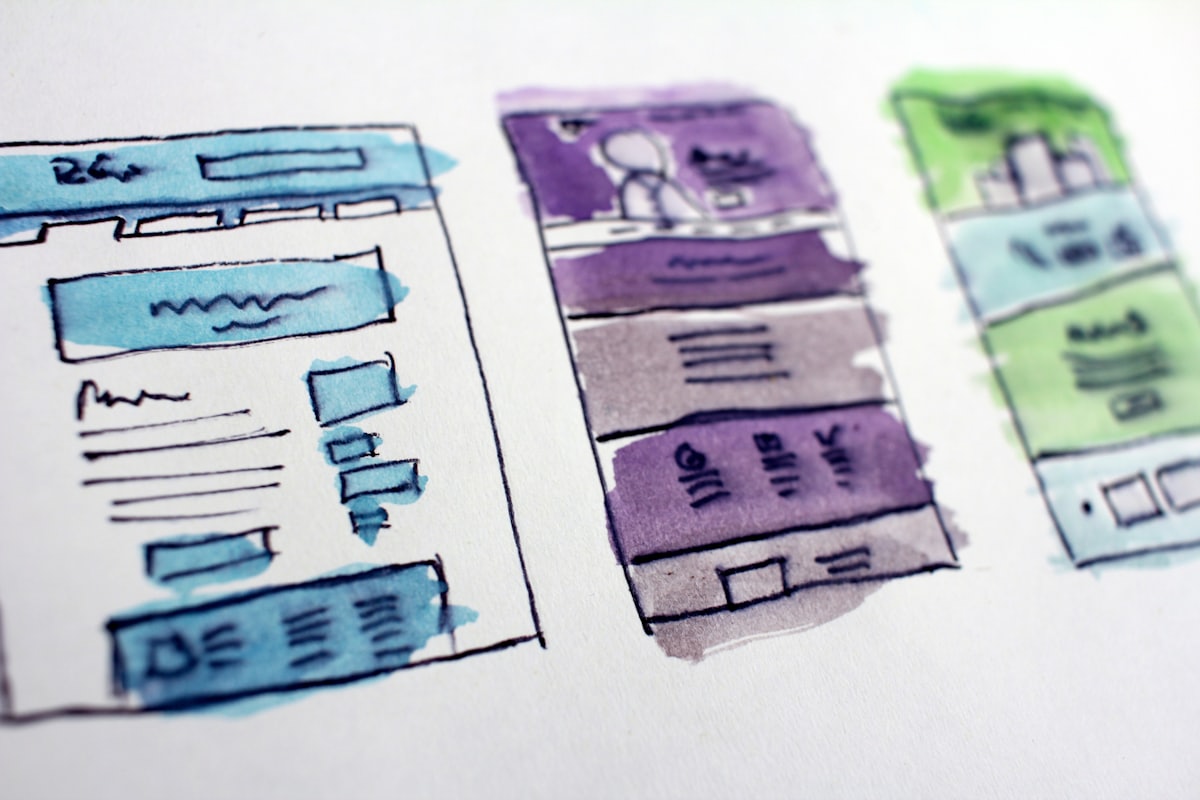
I run a web studio. Custom builds pay our bills. So it might surprise you that I tell most people to buy a template.
That is not false modesty. It is just what I watch happen. A café owner or a physiotherapist or a two-person accounting firm comes to us convinced they need something bespoke, and after twenty minutes of questions it turns out a good template would do everything they need for a fraction of the money and time. I would rather tell you that now than take a big check and quietly know you overpaid.
So let me give you the honest version of this decision.
The simple rule
Here is the rule I use in my own head:
If a stranger could describe your business in one sentence and mostly be right, a template will serve you. If they would be wrong, look at custom.
A bakery sells baked goods and wants people to visit or order. A portfolio shows work and collects inquiries. An online shop lists products and takes payment. These are common shapes. Thousands of businesses share them, which is exactly why good templates for them exist. Someone already solved the layout, the checkout, the mobile view, the contact form. You are buying that solved problem.
Now the flip side. If your business does something the one-sentence description misses, a template starts to fight you. Maybe you book appointments against staff schedules that sync to three calendars. Maybe you quote prices from a formula with a dozen inputs. Maybe your customers log in to see their own data. The moment your site needs a real workflow, and not just pages, you are drifting toward custom.
That is the whole test. Common shape, buy. Unusual workflow, build.

When a template is the right call
Speed and budget are the obvious reasons, and they are good ones. You can have a template live in days, not weeks, and the cost is a rounding error next to a custom project. If you are early, or testing an idea, or just need to stop looking unprofessional next to competitors, that speed is worth more than any custom flourish.
But there is a quieter reason I like templates for most people: they are already good.
A template that has been sold a few hundred times has had its bugs found by other buyers. The spacing is right. It loads fast. It works on phones because it had to, or nobody would have bought it. A first-time custom build, by contrast, is the first time that exact code has ever run. We are careful, but new code is new code.
Browse the ready-made ones at /store and you will see the range. There are clean portfolio layouts, full online stores, single-page landing pages, and industry sets like food and drink or professional services. Filter to your shape and see what is honestly close.
Here is my rough test for whether a template fits, before you buy:
- The layout already shows the thing you most want visitors to do
- You can picture your own words and photos in it without a redesign
- Nothing about your day-to-day needs a feature the template does not have
If all three are yes, stop shopping and buy. You are done.
When custom actually earns its cost
I am not going to pretend custom is never worth it. It pays our bills because for the right business it is the correct answer.
Go custom when your brand is the product. If people choose you partly because you look different from everyone else, a template you share with two hundred other buyers works against that. A distinctive design becomes part of what you are selling. Restaurants, high-end services, and anyone charging a premium often live here.
Go custom when you have a workflow no template anticipated. Booking systems tied to your real availability, customer portals, pricing calculators, connections to the specific software you already run your business on. Templates give you pages. When you need the site to actually do work, you need it built for that work.
And go custom when the site is central enough that small friction costs you real money. If a slightly awkward checkout loses you sales every single day, paying once to get it exactly right is not a splurge. It is math.
If any of that sounds like you, that is the conversation I actually want to have. Tell me what your business does and I will tell you straight whether custom is worth it or whether you are about to overspend. That is what /book is for.
The middle path most people miss
Here is the option people forget exists, and it is often the best one.
Buy a template, then hire us for a few specific changes.
You get the solved layout, the tested checkout, the fast start, and the low base cost. Then you pay for the two or three things that are genuinely yours: your colors and brand, one custom section, a form that connects to the tool you actually use. You are not paying to reinvent the parts every business shares. You are only paying for the parts that are specifically you.
For a lot of businesses this hits the sweet spot. Ninety percent of the value of custom, a small slice of the cost. We do these jobs constantly, and they tend to be the happiest clients because the money went exactly where it mattered and nowhere else.
If you want a sense of what any of this runs, I wrote a plain breakdown here: how much a small business website costs in 2026. Read it before you set a budget, so the numbers are not a shock.
So, to close the loop. Most of you reading this have a common-shaped business, and a template will do the job well and cheaply. Some of you have an unusual workflow or a brand that is the product, and custom will pay for itself. A good number of you sit in the middle and should buy a template and hire out a few tweaks.
If you are not sure which one you are, that is normal, and it is a five-minute conversation to find out. Talk it through with me and we will figure out the honest answer, even when the honest answer is the cheaper one.
Ready when you are.
Talk through your projectGet the next one in your inbox
Occasional, practical notes on building sites that sell. No spam, unsubscribe anytime.
Keep reading
Website or Web App: What Does Your Business Actually Need?
A plain-English way to decide whether you need a marketing website, a working web application, or a smaller hybrid of the two.

Next.js vs WordPress for a Small Brand Site
An honest developer's take on Next.js vs WordPress for a small brand: who each is for, editing, speed, security, cost over time, and the headless trap.