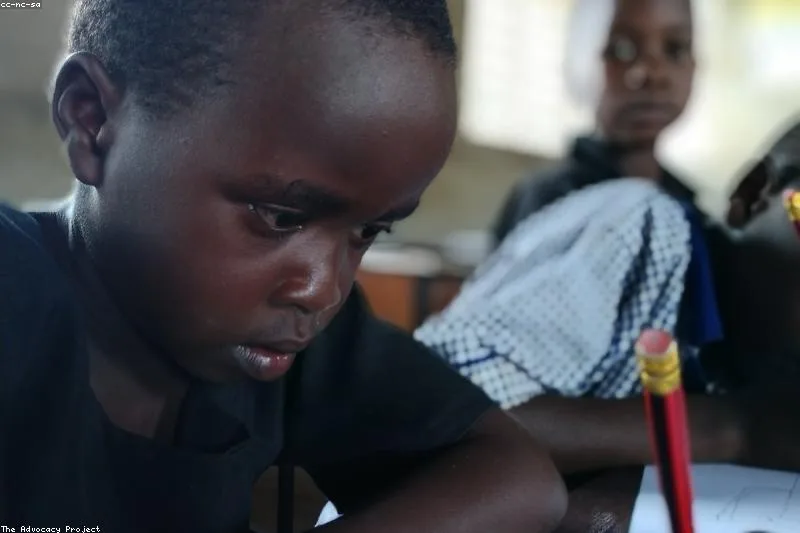
Amara Oduya was eleven years old when she walked four miles each morning to collect water from a drying riverbed. She did this every day before school — on the days she made it to school at all. 'Sometimes I was too tired,' she says now, with a matter-of-factness that makes the weight of it land harder.
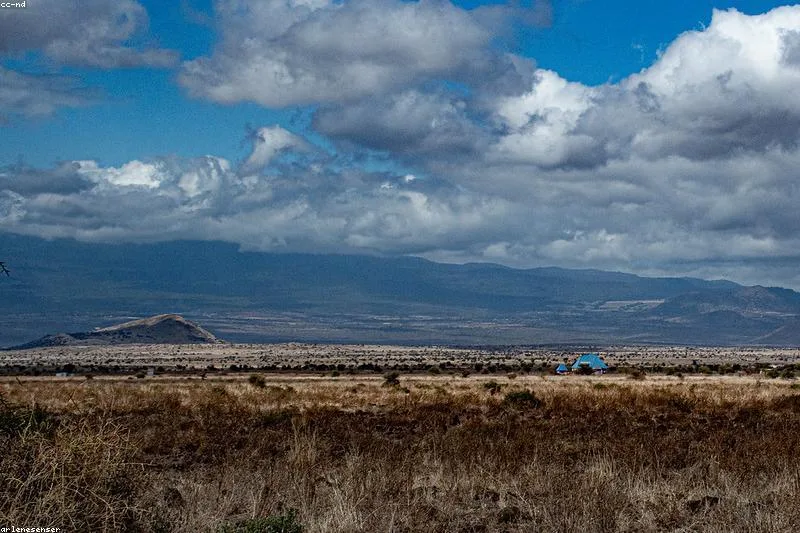
Kibwezi, a village of around 1,200 people in Kenya's Makueni County, sits in one of the country's driest regions. The nearest town with a reliable water supply is 22 kilometres away. When KINDRED's water team first visited in 2018, the community was relying on a seasonal river that ran dry for six months of the year and was visibly contaminated with livestock waste for most of the rest.
What a borehole changes
Installing a solar-powered borehole takes KINDRED's team about three weeks. The drilling itself is four to five days; the rest is training — training the eight-person community water committee on how to test water quality, how to maintain the pump mechanism, and how to manage the small monthly user fees that fund the repair fund. We don't just hand over a well. We hand over a system.
"When the water came, it was like the whole village breathed out. We had been holding our breath for so long we did not know we were holding it."
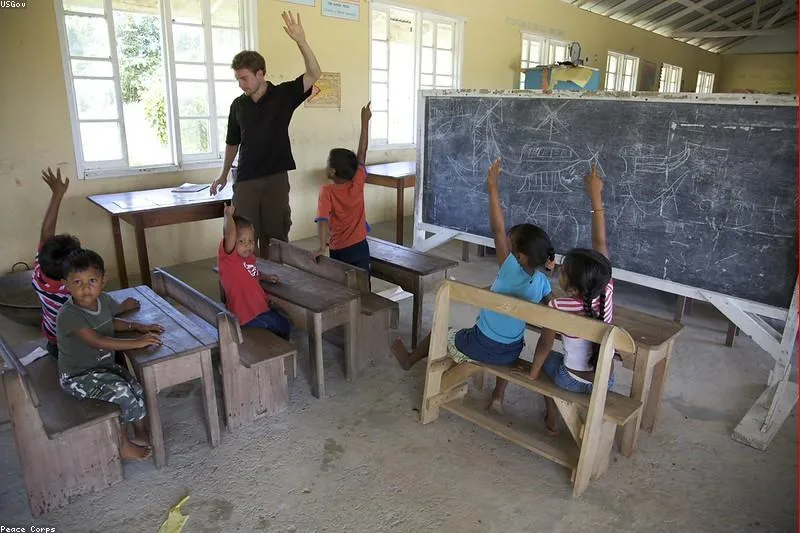
Amara is seventeen now and in her second year of secondary school. She wants to be a civil engineer. Her school attendance record since the borehole opened in 2019 is 98%. She is, by any measure, thriving — and she is not alone. Kibwezi's girls' secondary school enrolment has increased by 41% since clean water came to the village.
The numbers, and what's behind them
Across KINDRED's 340 water communities, we track three outcomes: water quality, illness rates, and girls' school attendance. All three have improved dramatically — waterborne illness is down 78% from baseline, and attendance is up 34% on average. But those numbers have faces. They are Amara, and the 420,000 others who now wake up to clean water.
The Kibwezi water committee, now chaired by a woman named Naomi, collected enough in monthly user fees this year to fund two minor pump repairs and a training trip to a neighbouring community. They did not need KINDRED. That is exactly what success looks like.
Moved by this story?
Your support makes more stories like this possible.