What a Restaurant Website Actually Needs (and What You Can Skip)
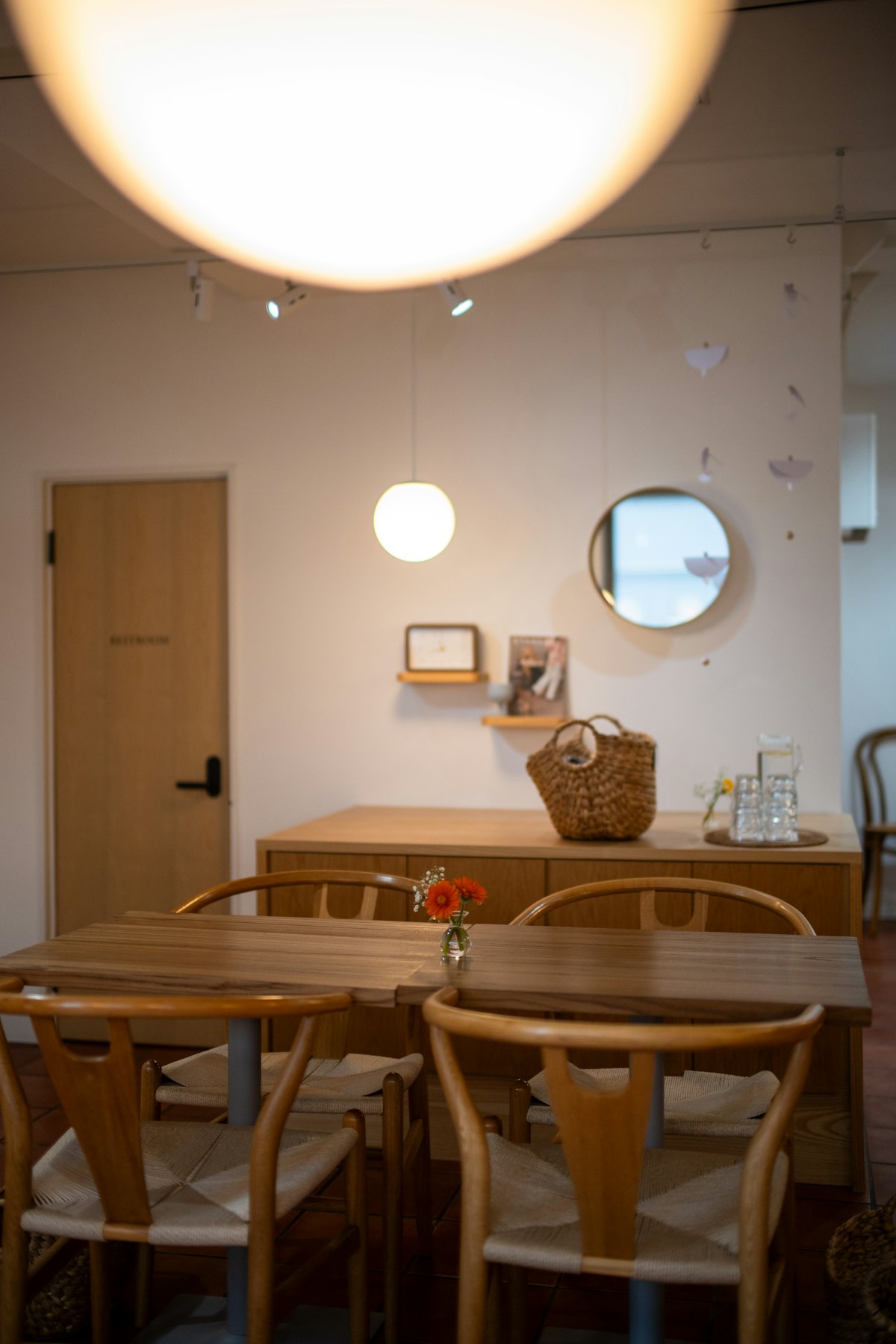
A hungry person on their phone at 7pm does not care about your homepage animation. They want to know three things: are you open, what do you have, and how do I get there or order. Everything else is decoration.
I've helped enough cafes and small kitchens with their sites to know where owners waste money and where they skimp on the stuff that actually feeds the business. So here is the honest list. What matters, what doesn't, and why.
The things your site genuinely needs
Start with the menu, because it's the reason people came.
Your menu should be real text on the page, not a photo of a printout and definitely not a PDF that downloads to someone's phone and opens in a clumsy viewer. A PDF menu is the single most common mistake I see. It's slow, it's hard to read on a small screen, it can't be updated without re-exporting the whole file, and Google can't read the dishes inside it. Put the menu right there as text, with sections and prices. When you change a dish or a price, you edit one line. Done.
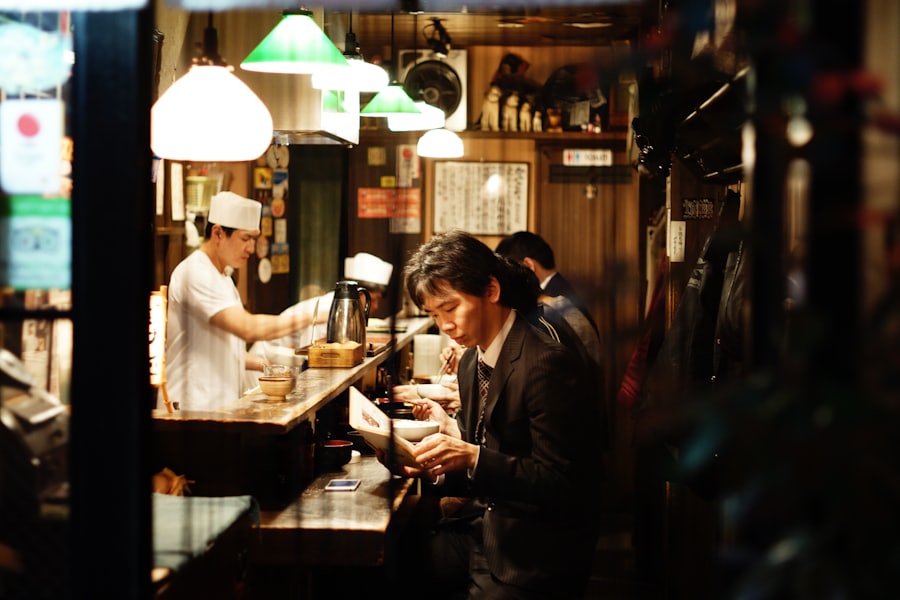
Next: hours. Put them somewhere obvious, and keep them right. Nothing sours a first visit like driving over on a Monday because the website never mentioned you're closed Mondays. If your hours change for a holiday, update them the day before, not the day after.
Then location and a map. Your address as text, and a little embedded map or at least a link that opens directions in one tap. People are often deciding between you and the place two blocks over. Make the "how do I get there" part take zero effort.
A phone number that dials when tapped. This sounds obvious. Half the sites I audit have the number sitting as plain text you can't tap, or buried in a footer. If you take reservations or big takeout orders by phone, that tappable number is your busiest button. If you take bookings online, put the reservation link up top where a thumb can reach it.
And the whole thing has to work on a phone first. Most of your visitors are standing on a sidewalk or sitting on a couch, deciding where to eat, on a screen the size of a playing card. If your site was designed for a laptop and merely tolerates phones, you're losing people. Design for the small screen, let the big screen be the bonus.
A few more that earn their place:
- Fast, well-sized photos. A couple of good shots of the food and the room do more than a hundred. But size them for the web. A giant untouched camera file that takes six seconds to load will lose the customer before the pretty picture even appears.
- Your Google Business Profile, claimed and filled in. This is free, and for a restaurant it's arguably more important than the website itself. It's what shows up in Maps and search with your hours, photos, and reviews. Claim it, keep the hours in sync with your site, add real photos.
That's the core. Menu, hours, location and map, tap-to-call or reserve, mobile-first, quick photos, and Google. Get those seven right and you already beat most restaurant sites in your town.
The things you can happily skip
Now the fun part: what to leave out.
Autoplay video with sound. Someone opens your site during a quiet meeting and your kitchen starts sizzling at full volume. They close the tab. A background video also eats data and slows the page on the exact phones your customers are using. If you love a certain clip, put it lower down as something people can choose to play.
The giant rotating slider on the homepage. You know the one: five big images sliding past on a timer. It looks busy in a demo and does nothing for a customer. It slows the page, it buries your menu link, and studies have shown for years that almost nobody clicks past the first slide. One strong image and a clear "See the menu" button beats a carousel every time.
An app. Please do not pay to build a phone app for a single restaurant. Nobody is going to visit the app store, download, and create an account just to see whether you have the pasta tonight. A fast website does the same job with zero friction. Apps make sense for chains with loyalty programs and daily orders, not for a neighborhood spot.
Long paragraphs of poetic story text above the menu. A sentence or two about who you are is lovely. Three scrolls of prose before anyone can find the food is not. Put the story on its own little page for the people who want it, and keep the front door about eating.
And you don't need a full online ordering system on day one unless you're actually doing steady takeout volume. If you're mostly dine-in with the occasional phone order, a tappable number and a clear menu are plenty. Add ordering when the demand is real, not because a template had a button for it.
Where to start without overspending
Here's the good news: a restaurant site is one of the cheaper, simpler sites to get right, precisely because the job is so clear. You are not building a store with a thousand products. You're building a beautiful, fast menu with directions attached.
For most owners, a ready-made template is the smart first move. You pick a design built for food, drop in your menu, photos, hours, and address, and you're live for the price of a couple of dinners out, not a custom project. Browse the food and drink templates and you'll see layouts already shaped around exactly the things I listed above. If you want a closer look at specific options, I rounded up my favorites in the best restaurant website templates for 2026.
If your place is doing something more involved (a busy booking system, a real ordering flow, multiple locations, or a brand you want built from scratch), that's when a custom build earns its cost. Tell me what your restaurant does and how people currently order, and I'll give you a straight answer about whether a template setup or a custom site fits you better. Start a conversation here and we'll figure out the shortest path to a site that actually brings people through your door.
Ready when you are.
See restaurant templatesGet the next one in your inbox
Occasional, practical notes on building sites that sell. No spam, unsubscribe anytime.
Keep reading
Best Hotel Website Templates in 2026: What Actually Matters
A practical template guide for hotels, guesthouses, and stays that need more direct bookings, fewer confused calls, and a site guests can trust on a phone.
Best Gym and Fitness Studio Website Templates in 2026
What a gym site actually has to do (schedule, trial offer, proof), the template features that matter, and the ones we would pick for studios, PTs, and gyms.