Building the Perfect Plant Shelfie
The anatomy of a great plant shelf — balance, variety, and the things most people forget.
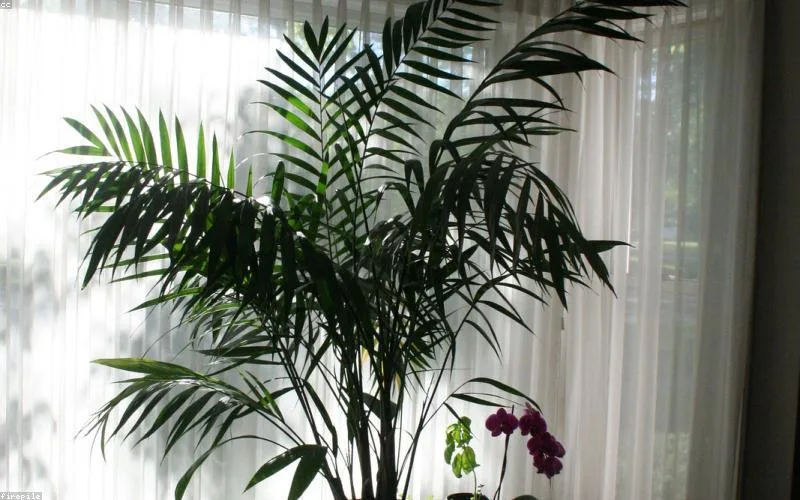
The plant shelfie — that composed, photograph-ready arrangement of plants on a shelf, bookcase, or ladder — has become one of the most aspirational images in contemporary home design. What looks effortlessly natural in photographs is usually carefully considered. Here's how to build one that's genuinely beautiful rather than just Instagram-legible.
Start with the shelf itself. A solid, deep shelf (at least 10 inches) gives you the room to stack pot sizes and layer depth. The material matters less than the color: light wood reads as Scandinavian and calm; dark-stained wood is richer and more editorial; painted white shelving maximizes the plants' visual impact by reducing visual competition. Ladder shelves and floating wall-mounted shelves both work well for plant displays; what you want to avoid is the kind of narrow decorative shelf that forces all your pots into a single file line.
Height variation is the most important principle. On a three-shelf bookcase, you should have tall plants on the floor beside it or on the top shelf, mid-height plants in the middle, and trailing plants cascading from the edges of shelves. The cascade is crucial — it breaks the rigidity of the rectangular shelf and makes the whole arrangement look organic rather than arranged. Pothos and string of pearls are the workhorses of the trailing shelf. Heartleaf philodendron is another excellent option that grows rapidly and produces long, graceful vines.
Mix textures relentlessly. A shelf of all smooth, paddle-shaped leaves (like rubber plants and peace lilies) becomes monotonous regardless of how many plants are on it. The most visually compelling arrangements combine feathery textures (ferns, asparagus fern, spider plants with their arching offshoots), bold geometric shapes (snake plants, ZZ plants, aloe), and cascading or sprawling forms. Vary not just the plants but the pots: a mix of terracotta, ceramic, and woven baskets reads as collected rather than curated.
Non-plant objects anchor the arrangement. Books turned spine-in for a neutral tone, a small framed print, a piece of interesting stone or wood, a candle — these give the eye places to rest between plants and make the shelf feel like a lived-in space rather than a display case. The general rule is one or two non-plant objects per shelf, positioned at the back where they provide background without competing with the plants in front.
Lighting is the thing most people don't plan for. A shelf on a wall away from windows may look beautiful during the day with ambient light, but without supplemental lighting many plants will struggle and the arrangement will lose its lushness over time. A small, warm-toned LED grow light clipped to the top of a bookcase or aimed from a track can make a wall-facing shelf viable for plants, and the warm glow in the evening is genuinely atmospheric. Plants that tolerate lower light — pothos, ZZ plants, snake plants — are also the right plants for deeper shelf positions.
More from the journal
How to Style Your Plants Through the Seasons
Your indoor garden doesn't have to look the same all year. Here's how to let the seasons in.
Read article Buying GuideThe Best Pots and Planters of 2025: A Buyer's Guide
Where to put your plants matters as much as where you put your plants.
Read article