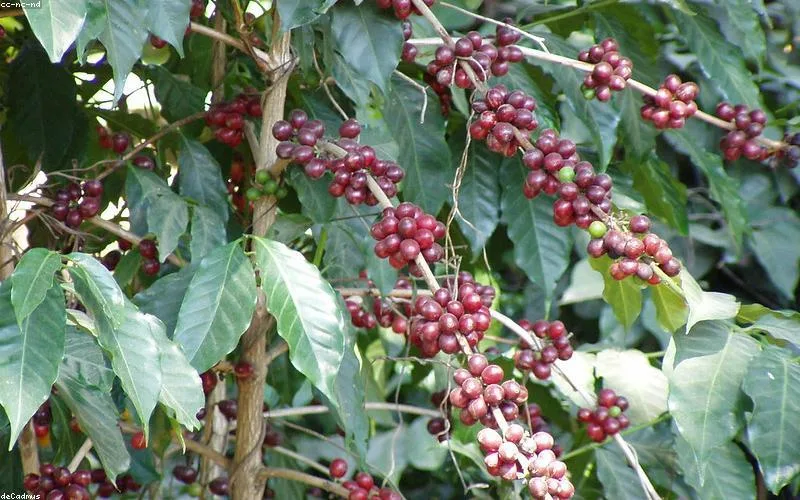
When a coffee cherry is picked from the tree, the clock starts ticking. From that moment, a series of decisions — made by farmers, wet mill operators, and drying station managers — will shape every flavour note in your eventual cup. Processing is, in many ways, the missing chapter in how most people think about coffee.
Washed (wet process): In washed processing, the cherry's outer fruit is removed mechanically, and the coffee seed (bean) is fermented in water tanks to break down the remaining mucilage before being thoroughly washed and dried on raised beds. The result: a coffee with clean, clear acidity and terroir transparency. The flavour you taste is almost entirely from the seed itself — not the fruit it grew inside. This is why washed Ethiopians taste like jasmine, not mango.
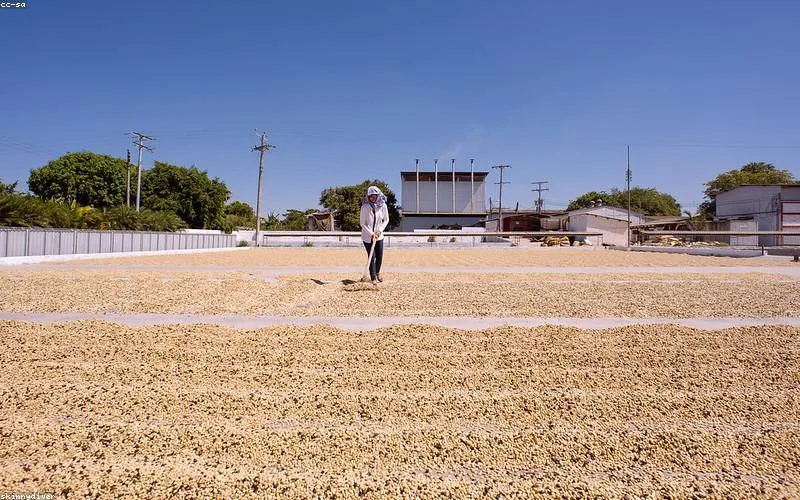
Natural (dry process): Here, the whole cherry — fruit, mucilage, and all — is dried in the sun, often on raised African beds, for 3–6 weeks. Fermentation occurs within the fruit, and the bean absorbs those sugars. The result: heavy body, wine-like fermentation notes, and intense fruit sweetness. Natural Brazils and Ethiopians from Sidama are the canonical examples. The tradeoff is consistency — natural processing is more variable and requires careful monitoring.
Honey process: A hybrid method, honey processing removes the cherry skin but leaves some or all of the sticky mucilage (the "honey") on the seed during drying. The amount left determines the honey's colour designation: yellow honey (minimal mucilage), red honey (moderate), and black honey (maximum mucilage, closest to natural). More mucilage equals more sweetness and body in the cup — at the cost of some of the clean clarity of a washed coffee.
Wet-hulled (Giling Basah): Unique to Indonesia, particularly Sumatra, this method partially dries the coffee in parchment, then removes the parchment while the bean is still relatively moist. The exposed bean then continues drying in open air. This process creates the characteristic low-acidity, earthy, full-bodied profile associated with Sumatran coffees. It's an adaptation to the region's humid climate and is responsible for the distinctive "forest floor" quality that defines Indonesian coffee.
At CREMA, we source intentionally across processing methods — because each one reveals a different dimension of what coffee can be. Our light-roasted washed coffees from Ethiopia and Kenya showcase terroir with gemlike clarity. Our honey-processed Peruvian shows what sweetness looks like when it's built into the drying process itself. Understanding process helps you understand why two coffees from the same country can taste completely different.