The specialty coffee world spent much of the last decade in an arms race toward the lightest possible roast. The logic was sound: if you're sourcing exceptional coffee at great cost, why obscure its origin character with heavy roasting? A light roast preserves the fruit acids, floral aromatics, and terroir that make a Kenya or Ethiopian stand apart from any other on earth.
But we've arrived at a more nuanced view. The right roast level is the one that makes a specific coffee taste best — and that isn't always light.
What roasting actually does: During roasting, the Maillard reaction and caramelisation transform simple sugars and amino acids into hundreds of new compounds. These reactions begin around 150°C and intensify as the roast progresses. Light roasts preserve more of the original "green" character — fruit acids, florals, and terroir — while darker roasts develop roast-specific flavours: chocolate, caramel, smoke, and bittersweet compounds that can be beautiful in their own right.
When we roast light: Coffees with exceptional origin character — our Yirgacheffe Kochere, Kenya Thiriku, Rwanda Kanzu — deserve light development to let their terroir sing. These are coffees you're paying a premium for because of where and how they were grown. A medium roast on a 92-point Ethiopian is, frankly, a disservice.
When we go medium: Medium roasting is our most versatile tool. It's where we coax sweetness and body out of coffees that have the structure to support development — our Guatemala Las Palmas, our House Blend. A medium roast can elevate a good coffee into something exceptional by developing its natural sugars without obscuring its origin notes.
When we go dark: Our Sumatra Mandheling earns its dark roast. The wet-hulled processing creates a dense, heavy structure that can handle and even benefit from extended development. The roast-derived chocolate and cedar notes complement the earthy character that makes Sumatran coffee what it is. This isn't masking inferior quality — it's collaborating with the coffee's inherent nature.
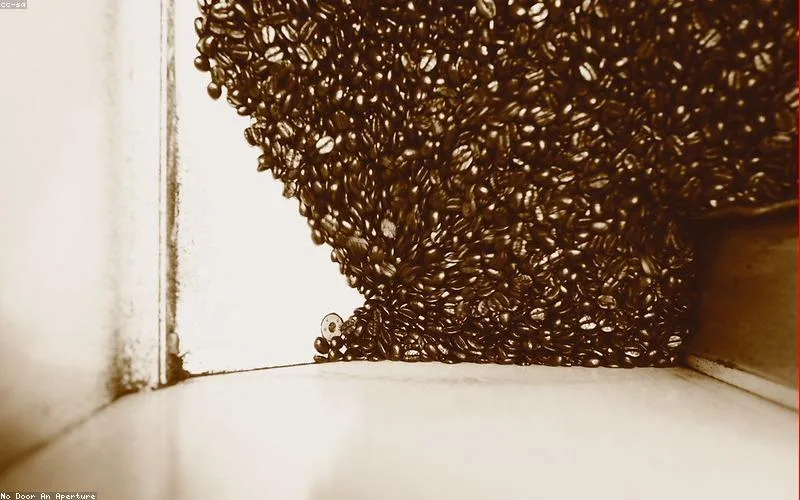
At our roastery in the Mission, we roast in small batches on our modified Loring S15 Falcon. Every lot is profiled individually — we don't apply a house roast curve to every coffee. We're tasting constantly, dialling in each lot across multiple roast sessions until we find the expression that makes us stop and reach for more.