The Case for Keeping a Human in the Loop

The pitch for full automation is seductive. Point an AI at a task, walk away, come back to finished work. No salary, no sick days, no waiting. And the models are good enough now that this actually works a surprising amount of the time. That is the part that worries me.
It works often enough that people stop watching. They ship the loop, it hums along, and the failures only show up later, in the one case out of fifty where the machine was confidently wrong and nobody caught it.
I run a software studio. We use AI coding agents every single day, and we lean on them hard. So this is not a person who is scared of the technology telling you to be scared of the technology. It is the opposite. Because we use it constantly, we have watched exactly how it fails, and the pattern is always the same. The tool is not the problem. Removing the human is the problem.
Where the checkpoint goes missing
Think about the last time automation actually hurt someone. It almost never involved a robot doing something obviously insane. It involved a plausible mistake that no person reviewed.
A support bot that cannot find your order decides the most helpful thing to say is that you never placed one. It is not lying on purpose. It just pattern-matched to a confident answer, and now a real customer is being told their real problem does not exist. That is worse than a slow reply. A slow human says "let me check." A fast machine gaslights you and moves on.
Code is the same story. An agent writes a change that passes every test, reads cleanly, and quietly breaks an assumption three files away that no test covered. If a developer reviews it, they catch the smell in thirty seconds. If it merges straight to the main branch because the pipeline was green, it ships, and you find out from your users. I have written before about what actually goes wrong when you let agents write code, and the through-line is that the review step is where the value hides, not the writing step.
Then there is content. Pages generated in bulk, published without a single person reading them, until one of them says something false, or off-brand, or subtly offensive, and it has your name on it. Nobody chose to publish that. That is the whole trouble. When no human is in the loop, no human is accountable, and "the AI did it" is not a sentence that helps you or your customer.
The common thread is not that AI is dumb. It is that a system with no checkpoint has no moment where a person with judgement looks at the output and asks, is this actually right, and does it belong here.
Good checkpoints, not more friction
Here is the honest objection, and it is a fair one. If you make a human approve everything, you have thrown away the reason you automated in the first place. A checkpoint that reviews every line with equal suspicion is just a slow employee wearing an AI costume. A lot of "human in the loop" theater falls straight into that trap.
So the goal is not more approval. It is better placement. A good checkpoint sits where a mistake is both likely and expensive, and it gets out of the way everywhere else.
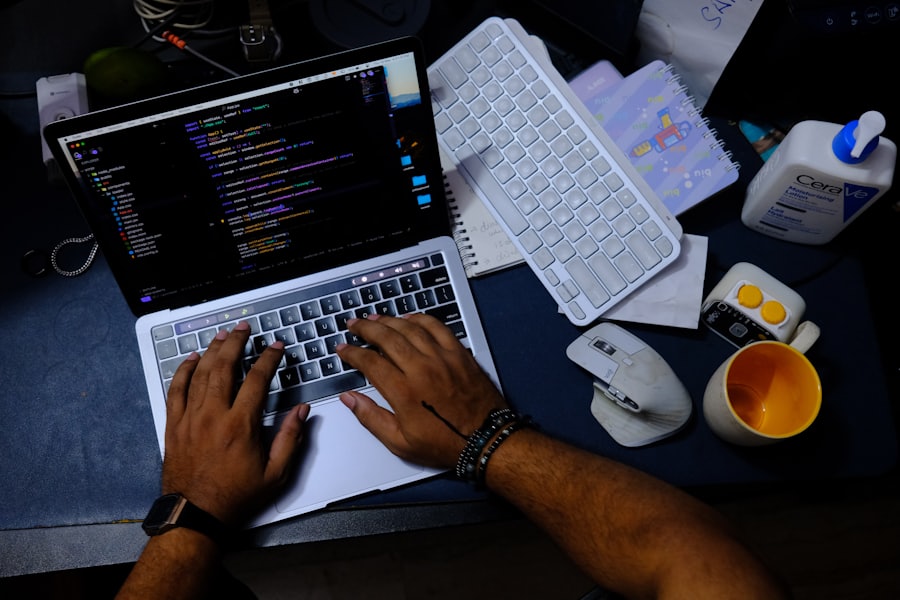
A few principles we actually use:
- Review by blast radius, not by volume. A draft nobody sees yet can run wide open. A message going to a paying customer, a payment, an irreversible delete, or a push to production earns a human glance. Match the friction to the cost of being wrong.
- Show the reasoning, not just the answer. A checkpoint where you approve a black box is worthless, because you cannot tell a good output from a lucky one. Make the agent show its work so the person can review the decision, not rubber-stamp the result.
- Make the easy cases fast and the risky ones loud. Most outputs are fine and should flow through in seconds. The system's real job is to flag the handful that are unusual, low-confidence, or high-stakes, and put those in front of a person while there is still time to say no.
That last one matters most. A good checkpoint is not a tollbooth on every car. It is a smart filter that waves through the ordinary and stops the strange.
What we actually do
Since I would rather show than preach: nothing an AI agent produces here reaches a client without a person reviewing it. Every code change an agent writes gets read by one of us before it merges. Not because the agent is usually wrong, it usually is not, but because "usually" is not a standard you can hand to someone paying you.
The interesting part is that this makes us faster, not slower. The agent handles the volume, the typing, the boilerplate, the first draft. The human does the part humans are still better at: catching the thing that is technically correct and completely wrong for this situation. Taste and knowing what the client actually meant are not solved problems, and pretending they are is how you ship the embarrassing failure.
This is the same instinct behind how we try to build AI responsibly as a small studio. Keep the speed and the scale, but keep a person accountable for what goes out the door.
I am not arguing that AI should be kept on a short leash forever, or that it cannot be trusted with anything. It can be trusted with a lot, and that trust will keep growing. I am arguing something narrower and, I think, more durable: for any output that reaches a real person or cannot be undone, there should be a moment where a human could have stopped it. Not a human who does stop it every time. A human who could.
Design that moment well and you get the best of both. Skip it to save a few seconds and you are not automating your work. You are automating your mistakes, and handing them straight to your customers.
If you want software built by a team that treats that line seriously, that is exactly the kind of work we do. Work with us and we will tell you honestly where a human belongs in your system and where the machine can run free.
Ready when you are.
Work with usGet the next one in your inbox
Occasional, practical notes on building sites that sell. No spam, unsubscribe anytime.
Keep reading

How We Think About Building Responsible AI at a Small Studio
We are a small studio that uses AI every day. Here are the rules we hold ourselves to, so the tech we ship helps people instead of quietly working against them.

Will AI Replace Developers? A Working Studio's Honest Take
We write code with AI every day. Here is the honest answer on whether it replaces developers, what the job is becoming, and who should worry.